← 2026-10-16 edition · Sourced reporting
Published Oct 16, 2026, 7:00 AM Central · This version Oct 16, 2026, 7:00 AM Central · As of 2026-10-16
UN warns of worse hunger in Afghanistan despite a strong harvest
The UN’s October 15 warning projects high acute food insecurity for 19.2 million people during Afghanistan’s upcoming November–April lean season. A strong harvest is part of the same account: food can be available while families lack the income to buy a nutritious diet. [1] [2] [3] [4]
In Afghanistan, Awaaz’s toll-free 410 helpline offers information about humanitarian services and referrals. Use its published service information; a referral does not guarantee aid. No call was made by this newsroom. →UN Deputy Spokesperson’s October 15 briefing, Afghanistan section, relaying FAO/WFP and other agencies’ assessments. Upcoming November–April lean-season projection, not a count of people newly becoming hungry today. No independent field reporting or household assessment was conducted.
- 1 source record
- UN Deputy Spokesperson
Still open: Underlying IPC tables, assumptions and population denominator were not obtained; estimates remain attributed to the UN account. All open questions ↓
Reporting question · As of 2026-10-16
The question: Why does the UN’s new Afghanistan warning distinguish food production from access to food?
UN Deputy Spokesperson’s October 15 briefing, Afghanistan section, relaying FAO/WFP and other agencies’ assessments. Upcoming November–April lean-season projection, not a count of people newly becoming hungry today. No independent field reporting or household assessment was conducted.
Seasonal projection
19.2 million people; upcoming November–April lean season, as relayed by the UN.
[1]Requested support
Food, farming and nutrition assistance before winter; delivery is not established.
[4]Afghanistan; UN briefing published October 15. Cards distinguish a projection, a counterexample and an explanation. No common scale, sequence or independently estimated causal contribution is implied. The children’s treatment projection has a different period and population.
Read the process as a table
| Component | Meaning | Evidence |
|---|---|---|
| Seasonal projection | 19.2 million people; upcoming November–April lean season, as relayed by the UN. | [1] |
| Food availability | A strong agricultural season is reported in the same warning. | [2] |
| Ability to buy food | The agencies identify unemployment and affordability as continuing barriers. | [2] |
| Requested support | Food, farming and nutrition assistance before winter; delivery is not established. | [4] |
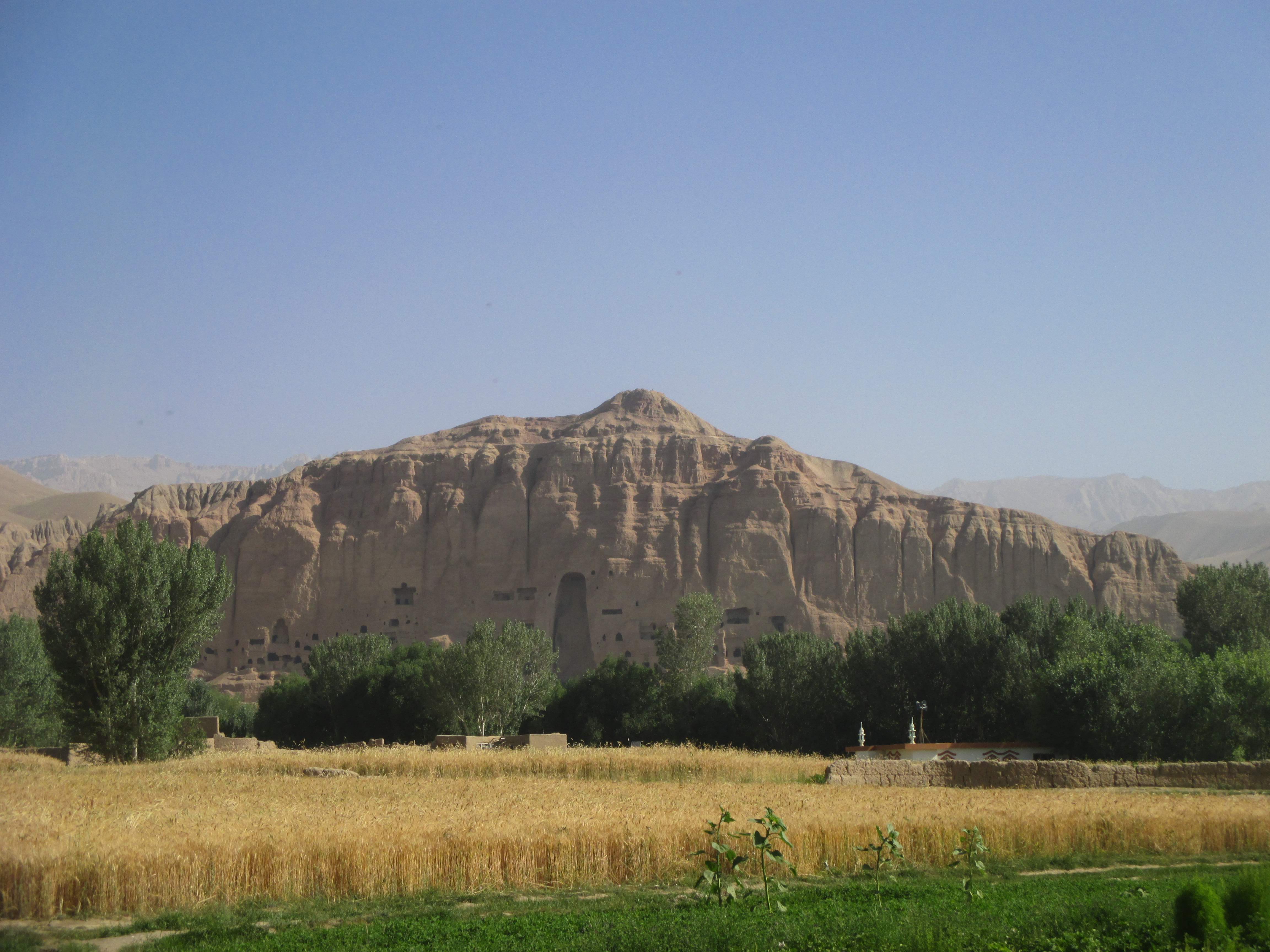
Archive photograph · 2019-07-27 · Bamyan valley, Afghanistan

Understand the story.
A forecast for the lean season
The briefing relays an IPC estimate of 19.2 million people, or 38% of the population, for the coming November–April period. It gives 17.4 million a year earlier as context. These figures describe a projected seasonal situation, not today’s newly identified cases. [1]
The counterexample is the harvest
The same source reports a strong agricultural season. FAO and WFP’s warning is about access as well as supply: unemployment can keep nutritious food out of reach. We have not independently measured how much each pressure contributes. [2]
Children face a different measure
The estimate of more than four million children needing treatment next year is a separate projection. It cannot be added to the lean-season population total. The UN’s call is for food, farming and nutrition support before winter limits access. [3] [4]
How we know4 scoped claims · 1 source recordView evidence
Each claim keeps its full assertion, date, source passage and limits. Source counts describe records, not independent corroboration.
1.The winter projectionAttributed
The UN’s October 15 briefing says the latest IPC analysis projects approximately 19.2 million people, or 38% of Afghanistan’s population, facing high levels of acute food insecurity in the upcoming November–April lean season, compared with 17.4 million a year earlier.
- Scope
- UN Deputy Spokesperson’s October 15 briefing, Afghanistan section, relaying FAO/WFP and other agencies’ assessments. Upcoming November–April lean-season projection, not a count of people newly becoming hungry today. No independent field reporting or household assessment was conducted.
- Evidence passage
- **Afghanistan → first two paragraphs.
- As of
- 2026-10-16
- Limit
- A UN-reported projection. The underlying IPC tables, population denominator and uncertainty intervals were not independently obtained. The earlier figure is reported context, not a newly counted group.
Retrieved 2026-10-16T10:06:39.939Z · UN Deputy Spokesperson
First-party UN briefing relaying FAO, WFP, IPC, UNICEF and Action Against Hunger assessments; these are dependent agency accounts, not independent confirmations. The page labels its coverage for information media, not an official verbatim record.
2.A harvest is not household accessAttributed
The briefing says a strong agricultural season has not restored access to nutritious food; persistent unemployment leaves many families unable to afford it even when food is available.
- Scope
- UN Deputy Spokesperson’s October 15 briefing, Afghanistan section, relaying FAO/WFP and other agencies’ assessments. Upcoming November–April lean-season projection, not a count of people newly becoming hungry today. No independent field reporting or household assessment was conducted.
- Evidence passage
- **Afghanistan → opening sentence and paragraph beginning Improved harvests.
- As of
- 2026-10-16
- Limit
- Agency explanation, not our causal estimate or a household-level affordability survey.
Retrieved 2026-10-16T10:06:39.939Z · UN Deputy Spokesperson
First-party UN briefing relaying FAO, WFP, IPC, UNICEF and Action Against Hunger assessments; these are dependent agency accounts, not independent confirmations. The page labels its coverage for information media, not an official verbatim record.
3.Children’s treatment needAttributed
The UN says UNICEF and Action Against Hunger expect more than four million children to need malnutrition treatment next year, including more than one million facing the most severe form.
- Scope
- UN Deputy Spokesperson’s October 15 briefing, Afghanistan section, relaying FAO/WFP and other agencies’ assessments. Upcoming November–April lean-season projection, not a count of people newly becoming hungry today. No independent field reporting or household assessment was conducted.
- Evidence passage
- **Afghanistan → paragraph beginning UNICEF and Action Against Hunger.
- As of
- 2026-10-16
- Limit
- Treatment need projection for next year; not four million confirmed cases counted today, not the same denominator as the lean-season population estimate.
Retrieved 2026-10-16T10:06:39.939Z · UN Deputy Spokesperson
First-party UN briefing relaying FAO, WFP, IPC, UNICEF and Action Against Hunger assessments; these are dependent agency accounts, not independent confirmations. The page labels its coverage for information media, not an official verbatim record.
4.Act before winter restricts accessAttributed
The briefing says FAO and WFP call for scaled-up food assistance, agricultural support and malnutrition prevention and treatment before winter restricts access and farmers miss planting windows.
- Scope
- UN Deputy Spokesperson’s October 15 briefing, Afghanistan section, relaying FAO/WFP and other agencies’ assessments. Upcoming November–April lean-season projection, not a count of people newly becoming hungry today. No independent field reporting or household assessment was conducted.
- Evidence passage
- **Afghanistan → paragraph beginning FAO and WFP are calling.
- As of
- 2026-10-16
- Limit
- A request and risk assessment; not funding received, assistance delivered or proof every intended household can obtain help.
Retrieved 2026-10-16T10:06:39.939Z · UN Deputy Spokesperson
First-party UN briefing relaying FAO, WFP, IPC, UNICEF and Action Against Hunger assessments; these are dependent agency accounts, not independent confirmations. The page labels its coverage for information media, not an official verbatim record.
What remains open.
- Underlying IPC tables, assumptions and population denominator were not obtained; estimates remain attributed to the UN account.
- No independent household, market-price or field observations, interview, or confirmation of assistance delivery was obtained.
- UNHCR’s food-and-assistance page was readable through web evidence retrieval but returned HTTP 403 to the server. Replaced practical help with Awaaz, which returned HTTP 200 and displayed substantive service information in an ordinary Chromium browser. No call, individual eligibility or actual aid receipt was verified.
A newer or corrected original that changes the central finding, scope, operational status or applicable dates requires a separately identified revision and renewed source review.
THIS STORY IN TIME
Keep the dates with the story.
- Reported development
- Evidence as of
- First retained publication
- This version published
Publication times are Central. A development date and an evidence date can differ. Missing dates remain unrecorded.