← 2026-11-01 edition · Sourced reporting
Barbados earns WHO recognition for preventing HIV transmission to babies
As of 2026-11-01 · Publication details
2022–2024 · %
Barbados, 2022–2024. Antenatal care and testing: pregnant women. Treatment: pregnant women living with HIV. Separate populations; no linked cohort or headcounts supplied.
Barbados · WHO recognition October 30, 2026; assessment 2022–2024. Infant HIV transmission, not HIV eradication.
WHO announced Barbados’s certification October 30, citing no reported mother-to-child infant HIV infections in 2022–2024 and high care coverage. The achievement depends on continued testing, treatment and follow-up; HIV has not disappeared. [1] [2] [6]
Still open: Underlying independent validation report and case-level surveillance were not obtained. All open questions ↓
Find a Barbados public clinic and its listed contact details, then confirm current HIV testing, antenatal care and appointment arrangements with the provider. This directory is not a Sunday opening-hours or emergency-service guarantee. →Read the full story
The reporting question: What did Barbados achieve for babies—and what care still matters?
A public-health achievement
The new development is WHO’s October 30 recognition. Its underlying observation period is 2022–2024: no mother-to-child infant infections were reported in that period. The announcement gives families a documented achievement to recognize without treating older surveillance as a new count today. [1] [2]
Three measures, different populations
WHO reports 98% antenatal care and 98% HIV testing among pregnant women, plus 98% treatment among pregnant women living with HIV. These percentages describe different services and, for treatment, a different population. They do not reveal how many women or infants were involved. [3] [4] [5]
Keep the care behind the milestone
WHO describes free testing and treatment for pregnant women regardless of nationality, voluntary confidential testing and follow-up for exposed babies. It also says continued investment and improved follow-up are needed. Certification is a reason to sustain care, not to stop it. Use Barbados’s clinic directory to identify a provider and confirm current services. [6]
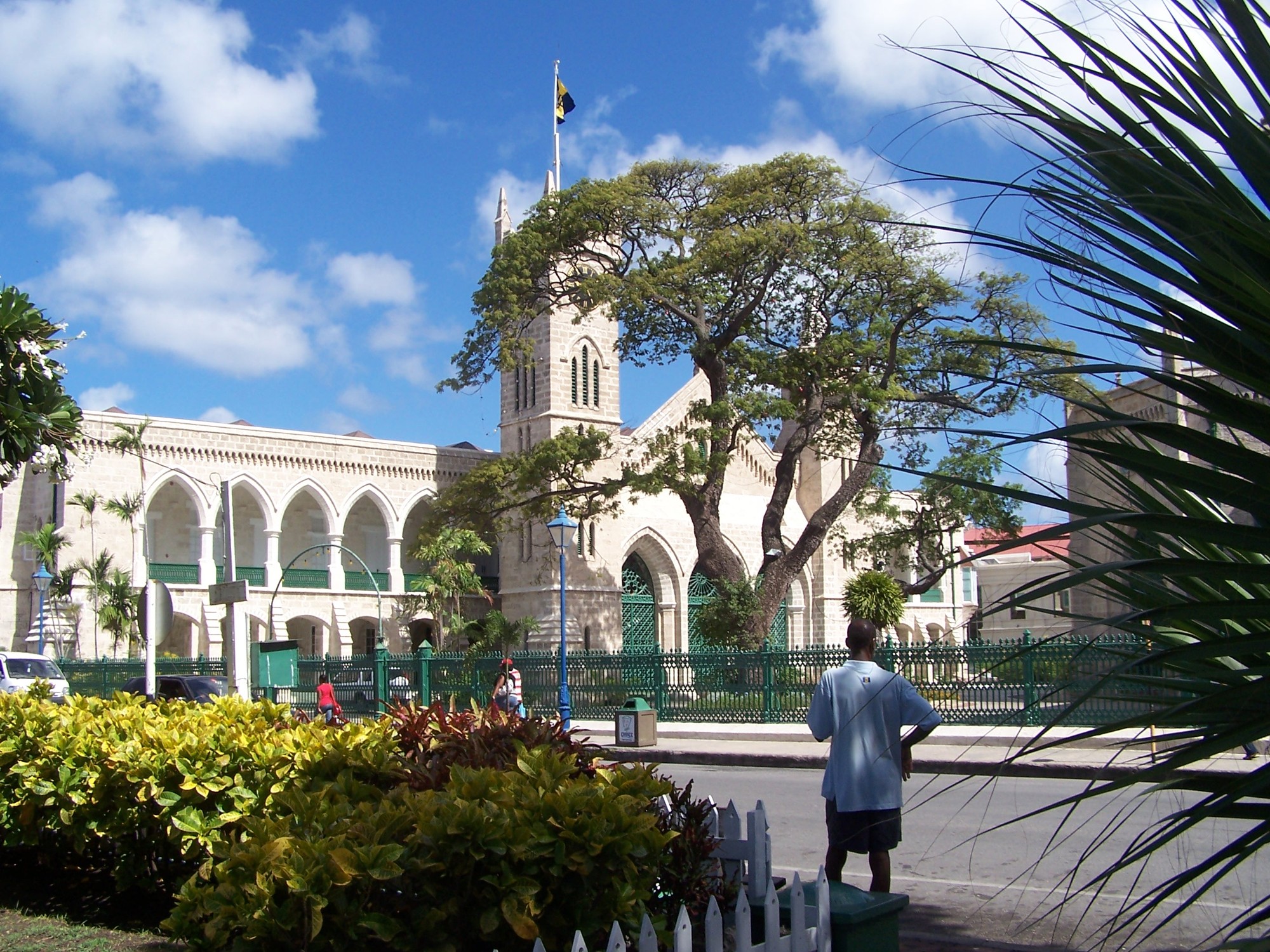
Archive photograph · 2007-07 · Bridgetown, Barbados


- 1 source record
- World Health Organization
How we know6 scoped claims · 1 source recordView evidence
Each claim keeps its full assertion, date, source passage and limits. Source counts describe records, not independent corroboration.
1.Recognition announced October 30Attributed
WHO announced that Barbados had achieved elimination of mother-to-child HIV transmission as a public-health problem.
- Scope
- Barbados · WHO recognition October 30, 2026; assessment 2022–2024. Infant HIV transmission, not HIV eradication.
- Evidence passage
- Headline and opening paragraph; certification paragraph beginning Certification by WHO follows.
- As of
- 2026-11-01
- Limit
- WHO reports an independent assessment; NTDS has not obtained the full assessment or audited patient records.
Retrieved 2026-11-01T13:44:45.352Z · World Health Organization
WHO’s institutional account of an assessment; underlying patient and validation records not available here.
2.Surveillance period: 2022–2024Attributed
WHO says no new infant HIV infections from mother-to-child transmission were reported in Barbados during 2022–2024.
- Scope
- Barbados · WHO recognition October 30, 2026; assessment 2022–2024. Infant HIV transmission, not HIV eradication.
- Evidence passage
- Paragraph beginning Certification by WHO follows; sentence beginning From 2022 to 2024.
- As of
- 2026-11-01
- Limit
- Reported surveillance outcome for a dated period; no national HIV-eradication or future-zero claim.
Retrieved 2026-11-01T13:44:45.352Z · World Health Organization
WHO’s institutional account of an assessment; underlying patient and validation records not available here.
3.Antenatal care among pregnant womenAttributed
WHO reports 98% antenatal-care coverage among pregnant women in the three-year assessment period.
- Scope
- Barbados · WHO recognition October 30, 2026; assessment 2022–2024. Infant HIV transmission, not HIV eradication.
- Evidence passage
- Paragraph beginning The assessment found consistently high coverage.
- As of
- 2026-11-01
- Limit
- Denominator is pregnant women, not births or women living with HIV. No headcount or uncertainty interval supplied.
Retrieved 2026-11-01T13:44:45.352Z · World Health Organization
WHO’s institutional account of an assessment; underlying patient and validation records not available here.
4.HIV testing among pregnant womenAttributed
WHO reports that 98% of pregnant women were tested for HIV during the assessment period.
- Scope
- Barbados · WHO recognition October 30, 2026; assessment 2022–2024. Infant HIV transmission, not HIV eradication.
- Evidence passage
- The assessment found paragraph, second coverage measure.
- As of
- 2026-11-01
- Limit
- Denominator is pregnant women. Equal percentages do not establish that the same women were tracked through every service.
Retrieved 2026-11-01T13:44:45.352Z · World Health Organization
WHO’s institutional account of an assessment; underlying patient and validation records not available here.
5.Treatment among pregnant women living with HIVAttributed
WHO reports antiretroviral treatment for 98% of pregnant women living with HIV during the assessment period.
- Scope
- Barbados · WHO recognition October 30, 2026; assessment 2022–2024. Infant HIV transmission, not HIV eradication.
- Evidence passage
- The assessment found paragraph, third coverage measure.
- As of
- 2026-11-01
- Limit
- Different denominator: pregnant women living with HIV. Do not combine the three percentages into a funnel.
Retrieved 2026-11-01T13:44:45.352Z · World Health Organization
WHO’s institutional account of an assessment; underlying patient and validation records not available here.
6.Care must continueAttributed
WHO describes voluntary confidential testing, free testing and treatment for pregnant women regardless of nationality, infant follow-up and continued investment needed to maintain elimination status.
- Scope
- Barbados · WHO recognition October 30, 2026; assessment 2022–2024. Infant HIV transmission, not HIV eradication.
- Evidence passage
- Editor’s note; paragraphs beginning Barbados provides universal health care and To maintain elimination status.
- As of
- 2026-11-01
- Limit
- Institutional account; clinic opening hours, appointment availability and individual eligibility beyond the stated service scope are not independently established.
Retrieved 2026-11-01T13:44:45.352Z · World Health Organization
WHO’s institutional account of an assessment; underlying patient and validation records not available here.
What remains open.
- Underlying independent validation report and case-level surveillance were not obtained.
- Coverage headcounts, uncertainty intervals and a linked patient cohort are unavailable.
- The official Barbados directory was fetched and visibly read as practical help only; current appointments, hours and service delivery were not tested.
A correction to the identified original record, a materially changed official status, or new primary evidence resolving the listed gaps would reopen these exact claims and their dependent narrative and visual.
THIS STORY IN TIME
Keep the dates with the story.
- Reported development
- Evidence as of
- First retained publication
- This version published
Publication times are Central. A development date and an evidence date can differ. Missing dates remain unrecorded.
What readers add.
Comments are reviewed before they appear. Max includes five comments and two custom story requests each day.
Loading reviewed comments…
Add a comment with Max →