← 2026-10-30 edition · Sourced reporting
DR Congo hunger alert projects 28.8 million in crisis or worse through December
As of 2026-10-30 · Publication details
Assessment windows: September–December 2026 and January–June 2027 · million people in IPC Phase 3 or above
DR Congo; UN News, October 30. Different projection windows, not an already observed increase. Phase 4 is included in each total. Underlying IPC PDF inaccessible; no causal attribution or certainty implied.
Democratic Republic of the Congo; October 30, 2026 UN News account of IPC assessment covering September 2026–June 2027. Forecast/assessment windows are not completed outcomes. Phase 4 populations are included in Phase 3 or above, never additive. Underlying IPC snapshot not captured: HTTP 403.
UN News’s October 30 account puts 28.8 million people in DR Congo in IPC crisis or worse through December, with 30.3 million projected for January–June 2027. These are assessment windows, not a counted increase already observed. The underlying IPC PDF was inaccessible here. [1] [2]
Still open: The current IPC snapshot linked by UN News returned HTTP 403; it is also outside installed capture families. No independently replicated assessment, detailed methods, uncertainty interval or territory-level input data. All open questions ↓
Use UN News’s March 18, 2024 IPC explainer to check what crisis, emergency and famine mean before comparing hunger figures. It explains the classification and data process; it is not a current DRC aid-registration or eligibility service. →Read the full story
The reporting question: What does DR Congo’s new hunger alert project, and what does it leave uncertain?
A new alert, with two clocks
The October 30 UN account describes an IPC alert spanning September 2026 through June 2027. It puts roughly 28.8 million people, 23% of the analysed population, in Phase 3 or above through December. The 30.3 million figure belongs to the following January–June window; it is not today’s measured tally. [1] [2]
Keep severity groups inside their totals
UN News reports more than 3.6 million people facing Phase 4 emergency conditions in the first window, and 4.2 million projected in that phase in January–June. Those groups sit within the Phase 3-or-above totals. Adding them would double-count people. Crisis, emergency and famine are distinct classifications. [1] [2] [4]
The east carries a heavy share of the need
The report identifies North Kivu, South Kivu and Ituri as the hardest-hit provinces, with 10.4 million people in Phase 3 or above. It describes conflict, displacement, disease, prices and climate shocks as compounding risks. It does not quantify how much of the total each factor causes. [3]
Use the warning without making it inevitable
The projection is a warning for decisions about assistance and access, not proof that the worse outcome will occur. The older UN guide explains how evidence is assembled and how the five IPC phases differ. We could not access the underlying current IPC PDF, so this is an attributed account of the UN report, not an independent replication of the assessment. [2] [4]
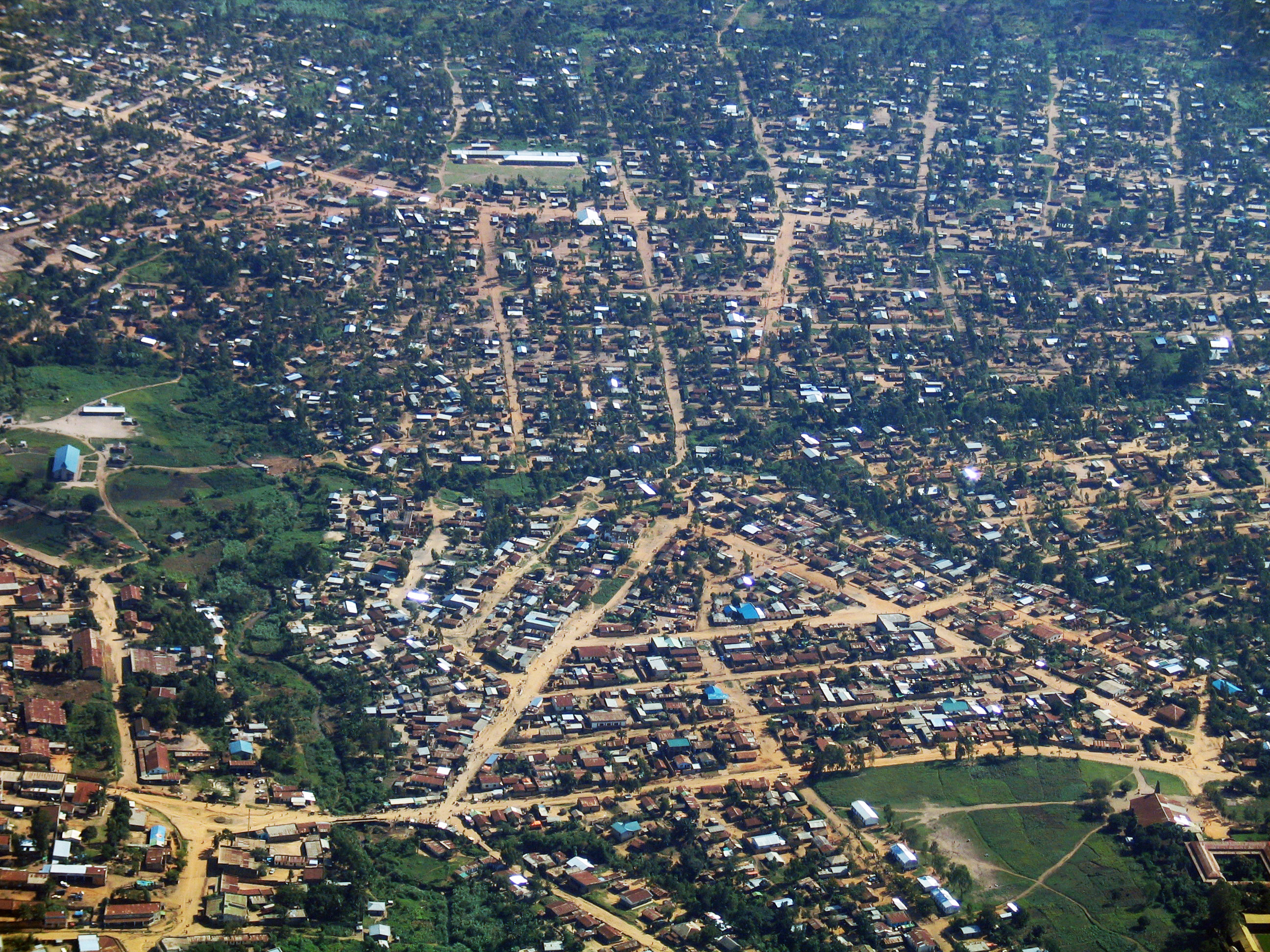
Archive photograph · 2006-09-04 · Bunia, Democratic Republic of the Congo


- 2 source records
- UN News / United Nations
How we know4 scoped claims · 2 source recordsView evidence
Each claim keeps its full assertion, date, source passage and limits. Source counts describe records, not independent corroboration.
1.Sep–Dec 2026: 28.8 million in Phase 3+Attributed
UN News reports roughly 28.8 million people, 23% of the analysed population, forecast in IPC Phase 3 or above through December 2026, and more than 3.6 million facing Phase 4. The alert begins in September 2026.
- Scope
- Democratic Republic of the Congo; October 30, 2026 UN News account of IPC assessment covering September 2026–June 2027. Forecast/assessment windows are not completed outcomes. Phase 4 populations are included in Phase 3 or above, never additive. Underlying IPC snapshot not captured: HTTP 403.
- Evidence passage
- High levels of hunger, first three paragraphs: roughly 28.8 million, 23 per cent; more than 3.6 million, three per cent; alert covers September 2026 through next June.
- As of
- 2026-10-30
- Limit
- Attribution to UN News’s account; Phase 4 is included in the broader total. Different periods are not completed observed change.
Retrieved 2026-10-30T20:08:48.702Z · UN News / United Nations
UN account of IPC analysis; underlying IPC PDF inaccessible. Not an independent household survey, causal estimate or measured future outcome.
2.Jan–Jun 2027: 30.3 million projected in Phase 3+Attributed
UN News reports the IPC projects 30.3 million people in Phase 3 or above during January–June 2027, including 4.2 million likely in Phase 4.
- Scope
- Democratic Republic of the Congo; October 30, 2026 UN News account of IPC assessment covering September 2026–June 2027. Forecast/assessment windows are not completed outcomes. Phase 4 populations are included in Phase 3 or above, never additive. Underlying IPC snapshot not captured: HTTP 403.
- Evidence passage
- Conditions set to worsen, opening paragraph: January to June, 30.3 million Phase 3 or above, including 4.2 million Phase 4.
- As of
- 2026-10-30
- Limit
- Projection, not an inevitable or already observed outcome. Phase 4 is a subset, not an additional population.
Retrieved 2026-10-30T20:08:48.702Z · UN News / United Nations
UN account of IPC analysis; underlying IPC PDF inaccessible. Not an independent household survey, causal estimate or measured future outcome.
3.Eastern provinces: 10.4 million in Phase 3+Attributed
UN News identifies North Kivu, South Kivu and Ituri as hardest hit, with 10.4 million people in Phase 3 or above, and describes conflict, displacement, disease, prices and climate shocks as compounding vulnerabilities.
- Scope
- Democratic Republic of the Congo; October 30, 2026 UN News account of IPC assessment covering September 2026–June 2027. Forecast/assessment windows are not completed outcomes. Phase 4 populations are included in Phase 3 or above, never additive. Underlying IPC snapshot not captured: HTTP 403.
- Evidence passage
- Deterioration in the east, province count and paragraphs beginning In eastern DRC and A rapidly expanding Ebola outbreak.
- As of
- 2026-10-30
- Limit
- No quantified separate causal contribution or independently verified current province data. Regional figure is within, not additional to, national totals.
Retrieved 2026-10-30T20:08:48.702Z · UN News / United Nations
UN account of IPC analysis; underlying IPC PDF inaccessible. Not an independent household survey, causal estimate or measured future outcome.
4.Classification is not one undifferentiated famine countAttributed
The UN’s older IPC explainer identifies Phase 3 as crisis, Phase 4 as emergency and Phase 5 as catastrophe or famine, and describes analysis of partner data rather than IPC collecting all data itself.
- Scope
- General IPC classification/process context, March 18, 2024; not current DRC data.
- Evidence passage
- How does the IPC work? Paragraph IPC itself does not collect data; paragraph listing phases one through five.
- As of
- 2026-10-30
- Limit
- Older explanatory context; does not independently classify a current DRC territory or declare famine.
Retrieved 2026-10-30T20:09:46.480Z · UN News / United Nations
General classification context, not the current DRC data or a local service route.
What remains open.
- The current IPC snapshot linked by UN News returned HTTP 403; it is also outside installed capture families. No independently replicated assessment, detailed methods, uncertainty interval or territory-level input data.
- UN News says 28.8 million are forecast through December and 30.3 million projected January–June. These different windows must never be shown as an observed completed rise.
- Phase 4 is a subset of Phase 3 or above. The chart uses only the latter total and does not add severity groups.
- The analysed-population denominator is not independently reconstructed; the chart uses people counts, not a recalculated national percentage.
- No separate causal contribution of violence, Ebola, El Niño, prices or reduced assistance is measured here.
- No verified local aid-registration route or evidence of individual recipient outcomes. The help link is an analytical reading resource.
Reopen for an accessible original IPC assessment and methods, corrected population/period figures, revised scenario assumptions, updated access or assistance records, or observed outcomes that test the projection.
THIS STORY IN TIME
Keep the dates with the story.
- Reported development
- Evidence as of
- First retained publication
- This version published
Publication times are Central. A development date and an evidence date can differ. Missing dates remain unrecorded.
What readers add.
Comments are reviewed before they appear. Max includes five comments and two custom story requests each day.
Loading reviewed comments…
Add a comment with Max →