← 2026-10-27 edition · Sourced reporting
Published Oct 27, 2026, 3:47 PM Central · This version Oct 27, 2026, 3:47 PM Central · As of 2026-10-27
WHO reports follow-up care for Ebola survivors in Bunia and Beni
WHO’s October 27 account reports more than 400 Ebola survivors receiving follow-up care in Bunia and a second clinic operating in Beni. The services extend beyond discharge to physical and psychological care. These are WHO’s service figures, not proof of recovery gains or care reaching every survivor. [1] [2] [3]
Read WHO’s care-for-survivors guidance →Democratic Republic of the Congo, Bunia and Beni survivor clinics. WHO’s October 27 institutional account, with older clinic opening dates retained. Service descriptions and counts are attributed; no independent patient-outcome audit, guaranteed access or medical diagnosis.
- 2 source records
- World Health Organization African Region
- World Health Organization
Still open: No independently verified local booking route, clinic capacity, referral eligibility or transport entitlement is attached. All open questions ↓
Reporting question · As of 2026-10-27
The question: What does WHO’s new account establish about follow-up for Ebola survivors, and what help remains unverified?
Democratic Republic of the Congo, Bunia and Beni survivor clinics. WHO’s October 27 institutional account, with older clinic opening dates retained. Service descriptions and counts are attributed; no independent patient-outcome audit, guaranteed access or medical diagnosis.
Bunia service account
WHO reports more than 400 survivors cared for; its clinic has operated since September 19.
[2] [3]Beni service account
WHO says the second clinic has received survivors since October 17. No Beni patient total is given here.
[3]Care after discharge
WHO describes physical, psychological, nutritional and laboratory follow-up. Service descriptions are not outcome measurements.
[1]WHO account published October 27, 2026. These are service cards, not a patient pathway, measured comparison or recovery-rate chart. Counts and clinic opening dates describe different things.
Read the process as a table
| Component | Meaning | Evidence |
|---|---|---|
| Bunia service account | WHO reports more than 400 survivors cared for; its clinic has operated since September 19. | [2] [3] |
| Beni service account | WHO says the second clinic has received survivors since October 17. No Beni patient total is given here. | [3] |
| Care after discharge | WHO describes physical, psychological, nutritional and laboratory follow-up. Service descriptions are not outcome measurements. | [1] |
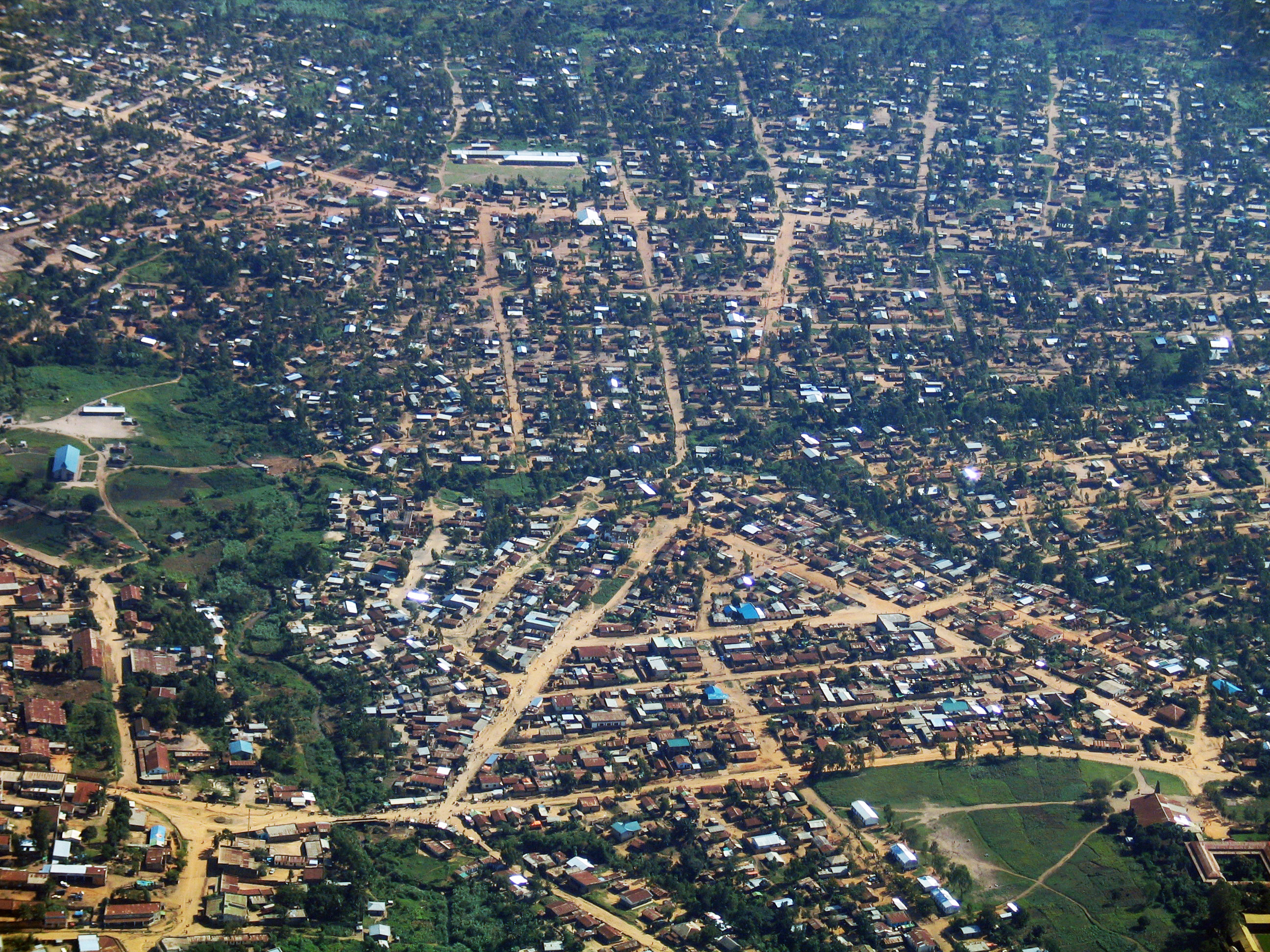
Archive photograph · 2006-09-04 · Bunia, Democratic Republic of the Congo


Understand the story.
What is new today
WHO’s October 27 feature describes survivor follow-up in Bunia and Beni and reports more than 400 people cared for at Bunia. It adds a service account after discharge, not a new treatment-centre opening or a measured improvement in outcomes. [2] [1]
What the clinics offer
WHO describes medical, psychological, nutritional and laboratory support. Bunia began operating September 19; Beni began receiving survivors October 17. The account gives no independent audit of waiting times, coverage or long-term recovery. [1] [3]
A count is not a recovery rate
More than 400 people receiving care does not show what share of all eligible survivors was reached or how their health changed. WHO’s separate survivor guidance stresses dignity and follow-up, and advises against isolation of recovered people whose blood tests negative. [2] [4]
A useful next step
Read WHO’s survivor-care section and ask the treating health team about appropriate follow-up. This report has not verified a public booking route, referral eligibility or today’s capacity in either city. It does not promise reimbursement or a particular treatment. [4] [1]
How we know4 scoped claims · 2 source recordsView evidence
Each claim keeps its full assertion, date, source passage and limits. Source counts describe records, not independent corroboration.
1.Care after dischargeAttributed
WHO describes general medicine, psychology, nutrition and laboratory services at the survivor clinics, alongside support for social reintegration.
- Scope
- Democratic Republic of the Congo, Bunia and Beni survivor clinics. WHO’s October 27 institutional account, with older clinic opening dates retained. Service descriptions and counts are attributed; no independent patient-outcome audit, guaranteed access or medical diagnosis.
- Evidence passage
- Paragraphs beginning A survivor’s care at the clinic and Beyond health services.
- As of
- 2026-10-27
- Limit
- Descriptions establish what WHO reports, not independently measured treatment effectiveness or guaranteed availability.
Retrieved 2026-10-27T20:04:40.076Z · World Health Organization African Region
WHO participates in the response. Clinic statistics and testimony are not independently audited; no full denominator or dated outcome series is supplied.
2.A service count with limitsAttributed
WHO reports Bunia’s clinic had provided care to more than 400 Ebola survivors.
- Scope
- Democratic Republic of the Congo, Bunia and Beni survivor clinics. WHO’s October 27 institutional account, with older clinic opening dates retained. Service descriptions and counts are attributed; no independent patient-outcome audit, guaranteed access or medical diagnosis.
- Evidence passage
- Paragraph beginning To manage Ebola-related conditions even after recovery.
- As of
- 2026-10-27
- Limit
- The cumulative count has no exact reporting cutoff, comparison group or verified clinic catchment denominator; it is not a recovery rate.
Retrieved 2026-10-27T20:04:40.076Z · World Health Organization African Region
WHO participates in the response. Clinic statistics and testimony are not independently audited; no full denominator or dated outcome series is supplied.
3.Older openings remain olderAttributed
WHO says Bunia’s survivor clinic has operated since September 19, 2026 and Beni’s has received survivors since October 17.
- Scope
- Democratic Republic of the Congo, Bunia and Beni survivor clinics. WHO’s October 27 institutional account, with older clinic opening dates retained. Service descriptions and counts are attributed; no independent patient-outcome audit, guaranteed access or medical diagnosis.
- Evidence passage
- Same clinic-establishment paragraph naming Bunia and Beni.
- As of
- 2026-10-27
- Limit
- Neither clinic is reported as opening October 27.
Retrieved 2026-10-27T20:04:40.076Z · World Health Organization African Region
WHO participates in the response. Clinic statistics and testimony are not independently audited; no full denominator or dated outcome series is supplied.
4.Respect and follow-upSupported
WHO encourages survivor-care programmes and does not recommend isolating recovered patients whose blood has tested negative for Orthoebolavirus.
- Scope
- Democratic Republic of the Congo, Bunia and Beni survivor clinics. WHO’s October 27 institutional account, with older clinic opening dates retained. Service descriptions and counts are attributed; no independent patient-outcome audit, guaranteed access or medical diagnosis.
- Evidence passage
- Section: Care for survivors, opening paragraph.
- As of
- 2026-10-27
- Limit
- General guidance does not replace advice from a treating clinician; specific body-fluid persistence requires individual counselling and testing.
Retrieved 2026-10-27T20:04:39.905Z · World Health Organization
Background guidance cannot diagnose a reader or establish present clinic eligibility, capacity or referral arrangements.
What remains open.
- No independently verified local booking route, clinic capacity, referral eligibility or transport entitlement is attached.
- WHO gives no exact cutoff for the Bunia count, comparable Beni total or measured patient outcomes. Its reported attendance percentage lacks a denominator here and is not reproduced.
Dated clinic registers, local referral information, capacity changes or independent follow-up outcome data would revise this service account.
THIS STORY IN TIME
Keep the dates with the story.
- Reported development
- Evidence as of
- First retained publication
- This version published
Publication times are Central. A development date and an evidence date can differ. Missing dates remain unrecorded.