← 2026-10-23 edition · Sourced reporting
Published Oct 23, 2026, 7:00 AM Central · This version Oct 23, 2026, 7:00 AM Central · As of 2026-10-23
Glacier confirms its first white-nose syndrome detections; visitors can limit spread
Glacier’s October 21 announcement confirms its first detections of white-nose syndrome and the fungus that causes it, from May and June samples. Visitors can help by avoiding bat handling and following decontamination guidance. The park’s vaccine-study counts do not establish protection. [1] [2] [3]
Use Glacier’s notice for its no-handling advice and linked decontamination guidance. It does not establish that a cave or trail is open or that a vaccine works. →Glacier National Park and Glacier County, Montana. October 21 announcement of samples collected in May and June 2026. Bat-vaccine study assignments from 2024–26 are not survival outcomes or current disease prevalence.
- 1 source record
- National Park Service / Glacier National Park
Still open: No independent laboratory report, detection denominator, prevalence estimate, survival data or vaccine-effect estimate. All open questions ↓
Reporting question · As of 2026-10-23
The question: What should Glacier visitors do after the park’s first white-nose syndrome announcement?
Glacier National Park and Glacier County, Montana. October 21 announcement of samples collected in May and June 2026. Bat-vaccine study assignments from 2024–26 are not survival outcomes or current disease prevalence.
2024–2026 study assignments · bats
Glacier study: 529 processed bats, 265 vaccine and 264 placebo. Counts of assignments, not survival, efficacy, prevalence or all park bats.
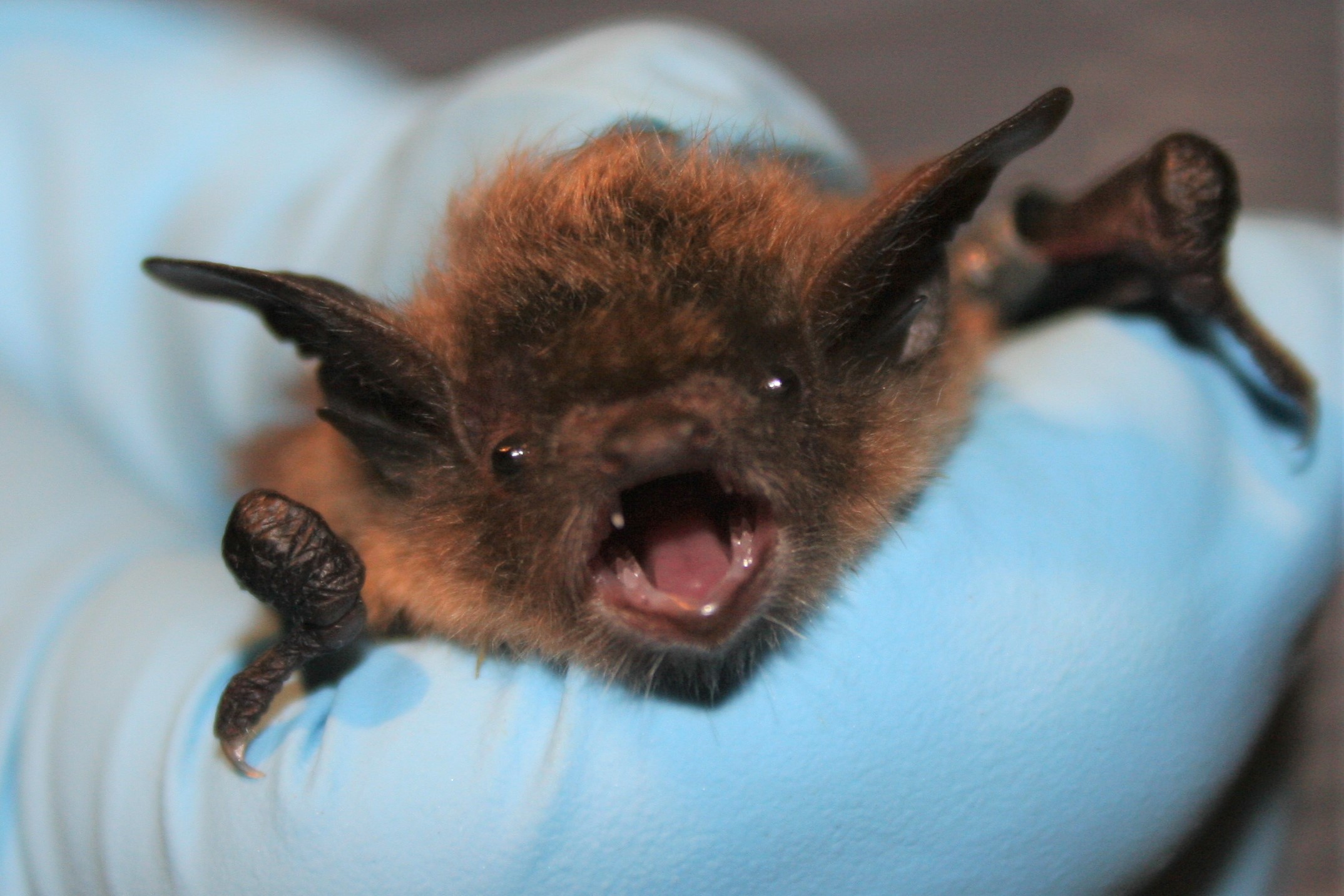
Archive photograph · 2012-06-19 · Location not specified in retained photograph metadata


Understand the story.
The announcement is new
A dead little brown bat was found near Saint Mary in May; live-bat samples collected in June also carried the fungus on the park’s east side. October 21 is the announcement date. It is not evidence of a sudden October outbreak. [1]
The study has no result here
The park describes 265 vaccinated bats and 264 placebo recipients, 529 total, over 2024–26. Tags allow survival monitoring. Those nearly equal group sizes say nothing about how many survived or whether vaccination works. [2]
A small action for visitors
White-nose syndrome does not infect humans or pets, NPS says. People can still transport the fungus. Do not pick up bats; follow the park-linked decontamination guidance after visiting bat habitats. That is not permission to treat bats as safe to handle. [3]
What remains to learn
The release supplies neither park-wide prevalence nor vaccine survival comparisons. New surveillance or outcome data would change what can be said about spread and protection. [1] [2]
How we know3 scoped claims · 1 source recordView evidence
Each claim keeps its full assertion, date, source passage and limits. Source counts describe records, not independent corroboration.
1.First detections, older samplesSupported
Glacier announced white-nose syndrome in a dead little brown bat found near Saint Mary in May and the causative fungus in live-bat samples from June on the east side; NPS calls these the park and county’s first detections.
- Scope
- Glacier National Park and Glacier County, Montana. October 21 announcement of samples collected in May and June 2026. Bat-vaccine study assignments from 2024–26 are not survival outcomes or current disease prevalence.
- Evidence passage
- Opening substantive paragraph after October 21 news release date.
- As of
- 2026-10-23
- Limit
- Announcement and sample dates differ; detection does not establish prevalence or a new October infection.
Retrieved 2026-10-23T10:04:12.944Z · National Park Service / Glacier National Park
Park-reported detections and study description. No laboratory record, complete prevalence survey or vaccine survival results independently obtained.
2.Study groups, not effectivenessSupported
NPS says 529 bats were processed in a 2024–26 vaccine study: 265 received vaccine and 264 placebo, with tagged bats monitored for survival.
- Scope
- Glacier National Park and Glacier County, Montana. October 21 announcement of samples collected in May and June 2026. Bat-vaccine study assignments from 2024–26 are not survival outcomes or current disease prevalence.
- Evidence passage
- Paragraph beginning “The park is also participating in ongoing research”.
- As of
- 2026-10-23
- Limit
- Assignment counts only, not survival rates, randomization details, efficacy or a human vaccine.
Retrieved 2026-10-23T10:04:12.944Z · National Park Service / Glacier National Park
Park-reported detections and study description. No laboratory record, complete prevalence survey or vaccine survival results independently obtained.
3.Avoid moving the fungusSupported
NPS says white-nose syndrome does not infect humans or pets but people can carry its fungus on gear. It tells visitors not to handle bats and to decontaminate clothing, footwear and equipment after bat habitats using USFWS guidance.
- Scope
- Glacier National Park and Glacier County, Montana. October 21 announcement of samples collected in May and June 2026. Bat-vaccine study assignments from 2024–26 are not survival outcomes or current disease prevalence.
- Evidence passage
- Final substantive paragraph and linked White Nose Syndrome resource.
- As of
- 2026-10-23
- Limit
- This disease statement does not mean bats are safe to touch or address all bat-related human health risks.
Retrieved 2026-10-23T10:04:12.944Z · National Park Service / Glacier National Park
Park-reported detections and study description. No laboratory record, complete prevalence survey or vaccine survival results independently obtained.
What remains open.
- No independent laboratory report, detection denominator, prevalence estimate, survival data or vaccine-effect estimate.
- No new cave closure, trail condition or field visit is established; use current park alerts for access.
- An earlier acquired bat-box JPEG is retained but excluded: its date format fails the installed verifier. Source metadata and code are unchanged.
A revised original, new contrary record, changed scope, final decision or documented outcome would reopen this exact case. New captures, timestamps or prose alone are not material news.
THIS STORY IN TIME
Keep the dates with the story.
- Reported development
- Evidence as of
- First retained publication
- This version published
Publication times are Central. A development date and an evidence date can differ. Missing dates remain unrecorded.