← 2026-10-22 edition · Sourced reporting
Published Oct 22, 2026, 3:54 PM Central · This version Oct 22, 2026, 3:54 PM Central · As of 2026-10-22
New heat-health indicators put pregnancy and childhood outcomes beside temperature
Four UN agencies launched priority indicators on October 21 to track heat exposure alongside pregnancy and child-health outcomes. The framework may help officials spot warning signals; it does not show that any particular birth outcome was caused by heat or that protection has already improved. Families can use WHO’s existing practical heat guidance while following local advice. [1] [2] [3] [4]
Read WHO’s “What should the public do?” and “Protect infants and children” guidance, alongside current local advice. It is global general guidance, not a local heat alert or an individual medical plan. →Global WHO/WMO/UNICEF/UNFPA October 21, 2026 announcement. Framework monitoring and older July 31 general heat guidance; no individual diagnosis, local alert, attribution of a birth outcome or measured framework benefit.
- 2 source records
- World Health Organization, announcing with WMO, UNICEF and UNFPA
- World Health Organization
Still open: No country implementation audit, local heat warning, individual causal finding or measured reduction in harm. All open questions ↓
Reporting question · As of 2026-10-22
The question: What does the new heat-health monitoring framework change for pregnant people and families with young children?
Global WHO/WMO/UNICEF/UNFPA October 21, 2026 announcement. Framework monitoring and older July 31 general heat guidance; no individual diagnosis, local alert, attribution of a birth outcome or measured framework benefit.
Investigate signals
Possible heat-related changes need investigation before individual causal claims.
[2]Global October 21 framework and older general heat advice. Monitoring roles, not a universal sequence, risk scale, diagnosis or proof of a benefit.
Read the process as a table
| Component | Meaning | Evidence |
|---|---|---|
| Measure exposure | Retain temperature and heat-exposure information with its place and period. | [2] |
| Monitor outcomes | Track pregnancy and child-health outcomes and health-facility use. | [2] |
| Investigate signals | Possible heat-related changes need investigation before individual causal claims. | [2] |
| Prepare locally | Use context-specific warnings, facility readiness and practical protection. | [3] [4] |
Archive photograph · 2012-02-29 · Geneva, Switzerland
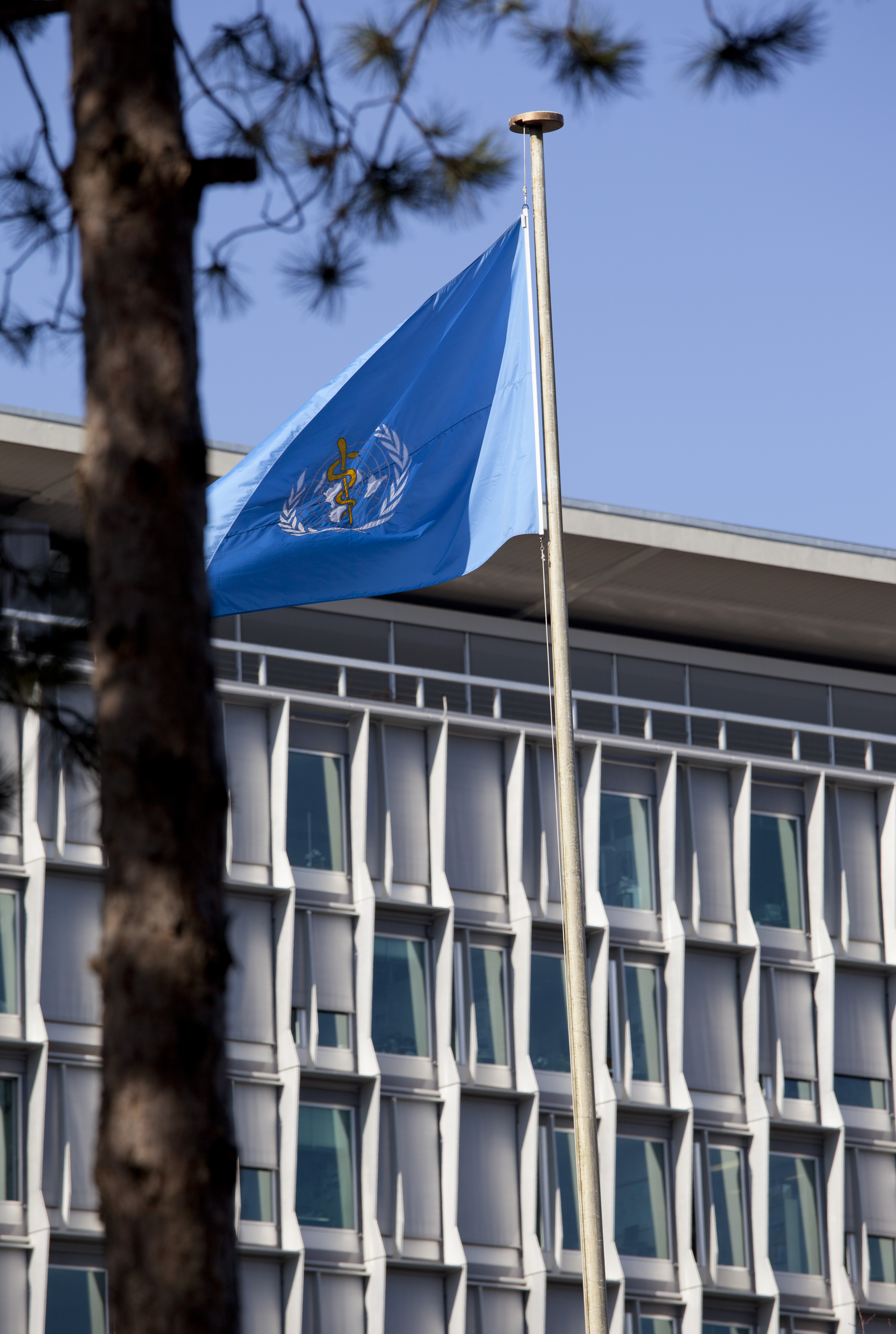

Understand the story.
A new way to notice harm
The October 21 framework brings temperature exposure and routine pregnancy and child-health records into the same monitoring question. It asks health systems to look beyond a weather reading to outcomes such as preterm birth, stillbirth, low birthweight and health-service visits. [1] [2]
A signal needs investigation
An unusual rise during hot weather is a reason to investigate, not proof of what caused an individual outcome. The announcement’s purpose is to identify possible heat-related signals. It supplies no local result showing that a health service has adopted the indicators or that harm has fallen. [2] [3]
Warnings need a local plan
WHO describes uses including facility preparation, stronger warnings and identifying communities at risk. Its call is for context-specific action plans. A global framework cannot establish today’s warning, available cooling or a family’s medical needs in any particular place. [3]
A useful step for families now
Read WHO’s existing heat guidance and follow local health and weather advice. Its child-protection section says to avoid direct sun during peak hours, keep indoor spaces cool and never leave children in parked vehicles. Pregnant people and caregivers can discuss personal needs with their health service; the new indicators are not a diagnosis. [4] [3]
How we know4 scoped claims · 2 source recordsView evidence
Each claim keeps its full assertion, date, source passage and limits. Source counts describe records, not independent corroboration.
1.New priority indicatorsSupported
WHO, WMO, UNICEF and UNFPA announced priority indicators on October 21 to monitor heat impacts on pregnant women, newborns and children.
- Scope
- Global WHO/WMO/UNICEF/UNFPA October 21, 2026 announcement. Framework monitoring and older July 31 general heat guidance; no individual diagnosis, local alert, attribution of a birth outcome or measured framework benefit.
- Evidence passage
- October 21 release: opening paragraph.
- As of
- 2026-10-22
- Limit
- A monitoring framework launch is not evidence of implementation or improved health.
Retrieved 2026-10-22T20:05:25.106Z · World Health Organization, announcing with WMO, UNICEF and UNFPA
Agency announcement of its own framework; underlying studies and implementation outcomes are not independently reanalyzed.
2.Outcomes beside heat exposureSupported
The announcement recommends tracking preterm births, stillbirths, low birthweight, pregnancy hypertension, child deaths and health-facility visits alongside heat exposure.
- Scope
- Global WHO/WMO/UNICEF/UNFPA October 21, 2026 announcement. Framework monitoring and older July 31 general heat guidance; no individual diagnosis, local alert, attribution of a birth outcome or measured framework benefit.
- Evidence passage
- Release: new report recommends; routine health data and heat-exposure data paragraphs.
- As of
- 2026-10-22
- Limit
- Possible signals require investigation. Temporal coincidence is not individual causal attribution.
Retrieved 2026-10-22T20:05:25.106Z · World Health Organization, announcing with WMO, UNICEF and UNFPA
Agency announcement of its own framework; underlying studies and implementation outcomes are not independently reanalyzed.
3.Data can inform preparednessAttributed
WHO says the data can help prepare facilities, improve warnings, identify vulnerable communities and support context-specific heat-health plans.
- Scope
- Global WHO/WMO/UNICEF/UNFPA October 21, 2026 announcement. Framework monitoring and older July 31 general heat guidance; no individual diagnosis, local alert, attribution of a birth outcome or measured framework benefit.
- Evidence passage
- Release: information can help health authorities; concluding heat-health action-plan paragraphs.
- As of
- 2026-10-22
- Limit
- Intended uses, not measured effectiveness, local capacity or guaranteed warning delivery.
Retrieved 2026-10-22T20:05:25.106Z · World Health Organization, announcing with WMO, UNICEF and UNFPA
Agency announcement of its own framework; underlying studies and implementation outcomes are not independently reanalyzed.
4.Practical child heat guidanceSupported
WHO’s existing advice includes avoiding peak-hour direct sun, keeping homes cool and never leaving children in parked vehicles.
- Scope
- Global WHO/WMO/UNICEF/UNFPA October 21, 2026 announcement. Framework monitoring and older July 31 general heat guidance; no individual diagnosis, local alert, attribution of a birth outcome or measured framework benefit.
- Evidence passage
- What should the public do? Protect infants and children.
- As of
- 2026-10-22
- Limit
- General advice; no universal local heat threshold or patient-specific treatment is supplied.
Retrieved 2026-10-22T20:05:24.804Z · World Health Organization
Older general protective guidance, not a local warning or individualized medical plan.
What remains open.
- No country implementation audit, local heat warning, individual causal finding or measured reduction in harm.
- Underlying preterm-birth odds and heatwave-day statistics are not charted: their denominators and periods differ.
A revised original, changed scope, contrary record or current operational update would reopen these claims and the exact draft.
THIS STORY IN TIME
Keep the dates with the story.
- Reported development
- Evidence as of
- First retained publication
- This version published
Publication times are Central. A development date and an evidence date can differ. Missing dates remain unrecorded.