← 2026-10-28 edition · Sourced reporting
New climate-health report puts heat deaths and lost work capacity on separate clocks
As of 2026-10-28 · Publication details
Heat mortality[1]
710,000 estimated deaths · worldwide · 2023. New report, older observation year.
Potential work time[2]
573 billion potential hours · worldwide · 2025. Model estimate, not an individual wage loss.
Different protective measure[3]
Cleaner air: 323,000 estimated deaths prevented per year in 70 countries. Different scope; no subtraction.
Local action[4]
NWS guidance identifies vulnerable groups and checking on people without cooling. No local alert is supplied.
October 28 UN News account of the WHO-partnered 2026 Lancet Countdown: global estimates with different observation years and units. U.S. heat-safety help is general NWS guidance, not a local warning or personal medical assessment. Underlying full methods are not pipeline-captured. Cards compare record types and decisions, not a universal sequence, measured duration or shared quantitative scale. Each number retains its own unit, period and population.
Read the records as a table
| Record | Meaning |
|---|---|
| Heat mortality | 710,000 estimated deaths · worldwide · 2023. New report, older observation year. [1] |
| Potential work time | 573 billion potential hours · worldwide · 2025. Model estimate, not an individual wage loss. [2] |
| Different protective measure | Cleaner air: 323,000 estimated deaths prevented per year in 70 countries. Different scope; no subtraction. [3] |
| Local action | NWS guidance identifies vulnerable groups and checking on people without cooling. No local alert is supplied. [4] |
UN News reports a new Lancet Countdown estimate of 710,000 heat-related deaths worldwide in 2023 and 573 billion potential work hours lost to heat in 2025. These measure different years and outcomes. They cannot tell you your local risk or wages lost; the practical starting point is local heat information and protection for people especially vulnerable to heat. [1] [2] [3] [4]
Still open: The Lancet report landing page was read in the desk scan, but the full paper, mortality and labor methods and uncertainty intervals are not captured through the installed source adapter. All open questions ↓
Use National Weather Service heat-safety guidance to identify vulnerable people and practical precautions →Read the full story
The reporting question: What do the new global heat estimates mean for health and work, and what can a U.S. reader use now?
New findings, older observation years
The October 28 account reports the Lancet Countdown’s estimate of 710,000 heat-related deaths in 2023. Its description of 54 indicators helps identify the report’s breadth. It is a research estimate about an earlier year, not a live mortality tally. [1]
Work capacity is not your pay stub
The separate 573 billion potential hours figure concerns 2025, with a modeled $1.07 trillion cost. It does not measure how much each worker was paid or lost. The underlying methods and uncertainty are not captured here, so we do not convert the estimate into a personal bill. [2]
Keep progress in the picture
The account also reports an estimated annual health benefit from cleaner air in 70 countries and improvements in adaptation and warning systems. That challenges a claim that nothing helps. Those figures cover different outcomes and populations and cannot be netted against the heat-death estimate. [3]
A useful next step is local
For U.S. readers, NWS explains who is especially vulnerable and why checking on people without cooling matters. Use its heat-safety resources alongside your local weather information. This global report supplies neither a current warning for your town nor individual medical advice. [4]
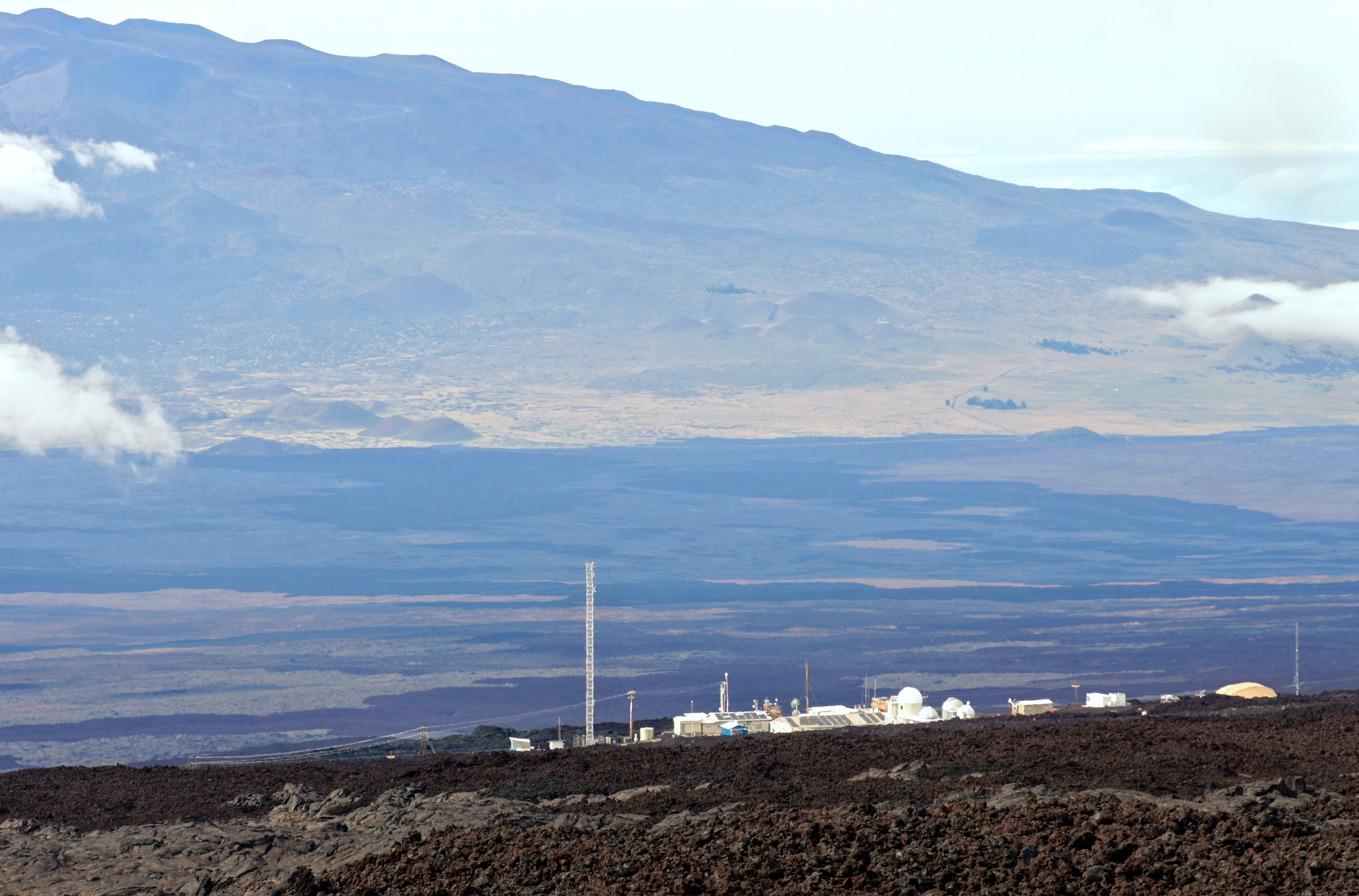
Archive photograph · 2017-06-18 · Mauna Loa, Hawaii, United States

- 2 source records
- UN News, reporting the WHO-partnered Lancet Countdown
- National Weather Service
How we know4 scoped claims · 2 source recordsView evidence
Each claim keeps its full assertion, date, source passage and limits. Source counts describe records, not independent corroboration.
1.A new report estimates an older yearAttributed
UN News’s October 28 account attributes an estimated 710,000 global heat-related deaths in 2023 to the WHO-partnered Lancet Countdown report. It says the research spans 54 climate-health indicators.
- Scope
- October 28 UN News account of the WHO-partnered 2026 Lancet Countdown: global estimates with different observation years and units. U.S. heat-safety help is general NWS guidance, not a local warning or personal medical assessment. Underlying full methods are not pipeline-captured.
- Evidence passage
- Opening paragraph and “Scientific approach”.
- As of
- 2026-10-28
- Limit
- Institutional summary of research. The full paper, mortality model, uncertainty intervals and attribution methods are not pipeline-captured; not a count of deaths this week.
Retrieved 2026-10-28T17:07:04.591Z · UN News, reporting the WHO-partnered Lancet Countdown
Origin is identified at this publisher. Captured bytes and origin checks do not independently validate the publisher’s underlying inputs, quoted-party claims or downstream effects.
2.Potential work time is a different measureAttributed
The same account lists 573 billion potential work hours lost to heat exposure globally in 2025, costed at $1.07 trillion. Potential work hours and modeled cost are not observed payroll deductions for particular workers.
- Scope
- October 28 UN News account of the WHO-partnered 2026 Lancet Countdown: global estimates with different observation years and units. U.S. heat-safety help is general NWS guidance, not a local warning or personal medical assessment. Underlying full methods are not pipeline-captured.
- Evidence passage
- “Key findings”: first bullet, heat exposure and potential work hours in 2025.
- As of
- 2026-10-28
- Limit
- No national, occupation-specific or household estimate; model methods and uncertainty are not captured. No wage loss assigned to a reader.
Retrieved 2026-10-28T17:07:04.591Z · UN News, reporting the WHO-partnered Lancet Countdown
Origin is identified at this publisher. Captured bytes and origin checks do not independently validate the publisher’s underlying inputs, quoted-party claims or downstream effects.
3.The account also reports protective progressAttributed
UN News says the report estimates that cleaner air prevents 323,000 deaths a year in 70 countries where fossil-fuel air pollution has fallen. It also records advances in health adaptation plans and early warning systems.
- Scope
- October 28 UN News account of the WHO-partnered 2026 Lancet Countdown: global estimates with different observation years and units. U.S. heat-safety help is general NWS guidance, not a local warning or personal medical assessment. Underlying full methods are not pipeline-captured.
- Evidence passage
- “Key findings” cleaner-air bullet; “Premature deaths protection” section.
- As of
- 2026-10-28
- Limit
- An attributed estimate with a different geography, cause and time basis from the 2023 heat figure; do not subtract the two or use a common comparative scale.
Retrieved 2026-10-28T17:07:04.591Z · UN News, reporting the WHO-partnered Lancet Countdown
Origin is identified at this publisher. Captured bytes and origin checks do not independently validate the publisher’s underlying inputs, quoted-party claims or downstream effects.
4.Use local protection informationSupported
NWS heat-safety guidance says heat can cause illness or worsen existing health conditions, identifies especially vulnerable groups including young children, older adults and people with chronic conditions, and advises checking on vulnerable friends or relatives, particularly without air conditioning.
- Scope
- October 28 UN News account of the WHO-partnered 2026 Lancet Countdown: global estimates with different observation years and units. U.S. heat-safety help is general NWS guidance, not a local warning or personal medical assessment. Underlying full methods are not pipeline-captured.
- Evidence passage
- Heat Safety Resources: introduction and vulnerable-group paragraphs.
- As of
- 2026-10-28
- Limit
- General U.S. safety guidance, not a current local alert, treatment plan or a rule for changing medication.
Retrieved 2026-10-28T17:07:05.039Z · National Weather Service
Origin is identified at this publisher. Captured bytes and origin checks do not independently validate the publisher’s underlying inputs, quoted-party claims or downstream effects.
What remains open.
- The Lancet report landing page was read in the desk scan, but the full paper, mortality and labor methods and uncertainty intervals are not captured through the installed source adapter.
- The three figures use different years, populations and outcomes and are not additive.
- Local heat conditions, individual risk, wages and audience comprehension are unmeasured.
Reopen this exact version if A corrected indicator definition, estimate or evidence that the summary mismatches its paper. Preserve the earlier case and obtain a new complete source review for changed claims.
THIS STORY IN TIME
Keep the dates with the story.
- Reported development
- Evidence as of
- First retained publication
- This version published
Publication times are Central. A development date and an evidence date can differ. Missing dates remain unrecorded.
What readers add.
Comments are reviewed before they appear. Max includes five comments and two custom story requests each day.
Loading reviewed comments…
Add a comment with Max →