← 2026-10-19 edition · Sourced reporting
Published Oct 19, 2026, 7:00 AM Central · This version Oct 19, 2026, 7:00 AM Central · As of 2026-10-19
Minnesota food bank reports a record year as freight costs strain delivery
MPR News’s October 17 report says Second Harvest Heartland distributed more than 172 million pounds in fiscal 2026. Its supply-chain chief says rising diesel costs added $20,000 a month to expenses and forced sourcing changes. A larger food total does not establish that everyone’s need is met; residents can use the food bank’s finder to check nearby help. [1] [2] [3]
Find nearby food help →Minnesota hunger-relief reporting published October 17, 2026 by MPR News. FY2026 food-bank distribution and attributed freight-budget pressure are different measures. No unique-person count, statewide hunger rate, independently audited finances or guaranteed local availability.
- 1 source record
- Original reporting
- Hannah Yang
Still open: Underlying audited fiscal-year accounts, exact fiscal-year dates, expense invoices and a quantified unmet-need denominator were not obtained. All open questions ↓
Reporting question · As of 2026-10-19
The question: Why can record food distribution coexist with pressure on Minnesota food shelves, and where can residents look for help?
Minnesota hunger-relief reporting published October 17, 2026 by MPR News. FY2026 food-bank distribution and attributed freight-budget pressure are different measures. No unique-person count, statewide hunger rate, independently audited finances or guaranteed local availability.
Food moved
More than 172 million pounds in FY2026, according to the organization in MPR’s October 17 report.
[1]What is missing
Unique recipients and the amount of unmet need are not established by pounds distributed.
[3]Minnesota hunger-relief reporting published October 17, 2026 by MPR News. FY2026 food-bank distribution and attributed freight-budget pressure are different measures. No unique-person count, statewide hunger rate, independently audited finances or guaranteed local availability. Cards group different kinds of evidence; no shared numerical scale, inferred sequence or measured outcome.
Read the process as a table
| Component | Meaning | Evidence |
|---|---|---|
| Food moved | More than 172 million pounds in FY2026, according to the organization in MPR’s October 17 report. | [1] |
| Freight pressure | Scott estimates $20,000 in added monthly expenses; not a household bill. | [2] |
| What is missing | Unique recipients and the amount of unmet need are not established by pounds distributed. | [3] |
Archive photograph · 2015-03-12 · San Diego, California, United States
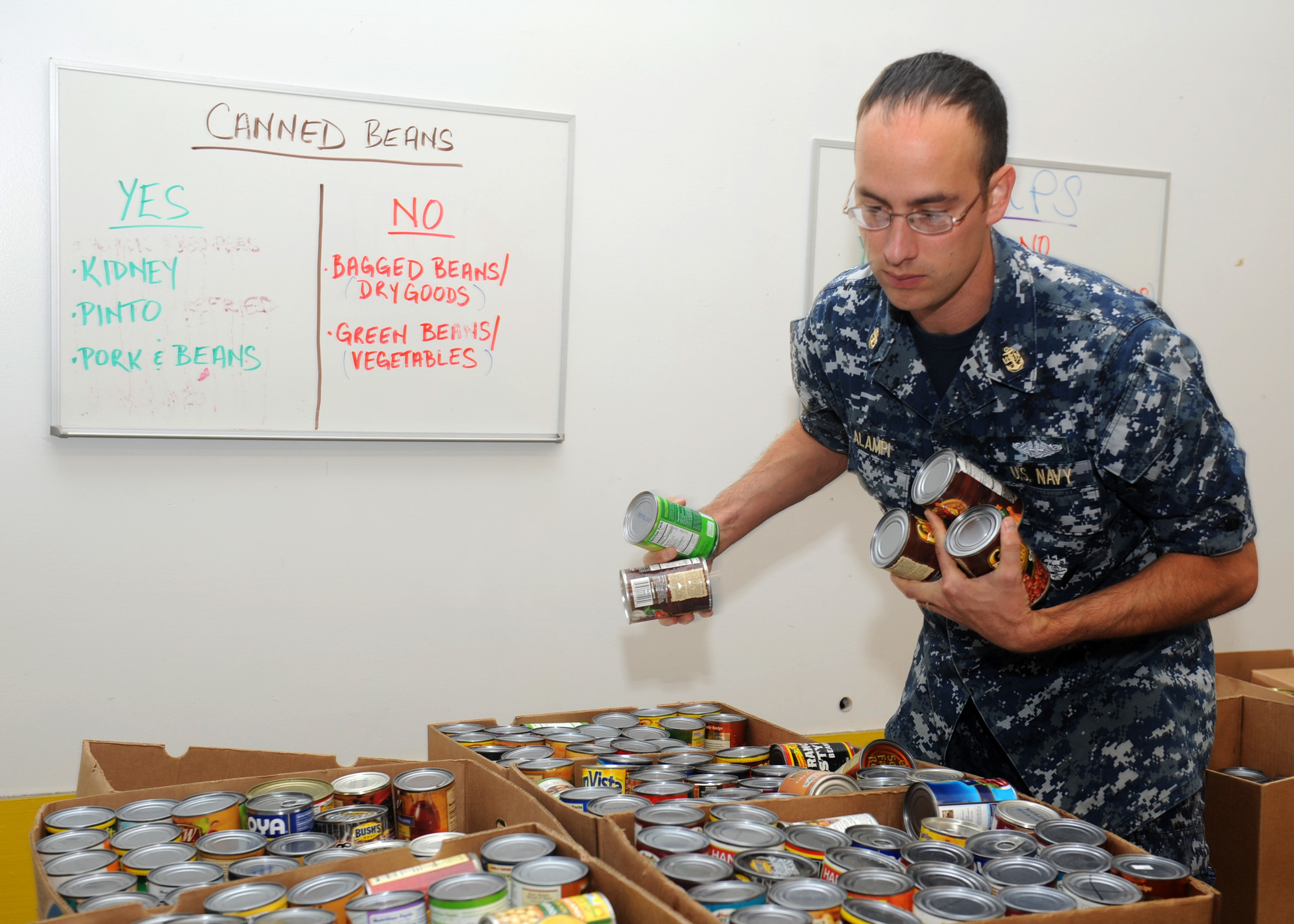


Understand the story.
A record total, a narrower meaning
The October 17 MPR report brings a new fiscal-year distribution account from Second Harvest Heartland. More than 172 million pounds describes food moved through its network. It does not say how many different people received help or whether every local shelf had enough. [1] [3]
The same truck can cost more
Scott tells MPR that fuel pressure has added $20,000 a month and changed sourcing choices. We have not audited that estimate. It concerns the food bank’s freight budget, not an extra charge assigned to each household. [2]
More delivery can still leave a gap
The account describes an organization trying to maintain service while facing continued demand. More distribution and unmet need can coexist. This record cannot separate how much demand comes from each policy or price change, or establish a statewide hunger rate. [3]
Find a local option
Second Harvest’s food finder offers a route to nearby shelves and meal programs. Check the individual provider’s current hours, service area and requirements before traveling; a statewide total cannot promise stock at that location. People seeking help should not need to interpret campaign claims or budget figures first. [1] [3]
How we know3 scoped claims · 1 source recordView evidence
Each claim keeps its full assertion, date, source passage and limits. Source counts describe records, not independent corroboration.
1.The newly reported distribution totalAttributed
MPR News reports Second Harvest Heartland’s account of more than 172 million pounds distributed to food shelves in fiscal year 2026, a record for the organization.
- Scope
- Minnesota hunger-relief reporting published October 17, 2026 by MPR News. FY2026 food-bank distribution and attributed freight-budget pressure are different measures. No unique-person count, statewide hunger rate, independently audited finances or guaranteed local availability.
- Evidence passage
- Hannah Yang, October 17, 2026 7:00 AM; opening substantive paragraphs beginning Second Harvest Heartland reports.
- As of
- 2026-10-19
- Limit
- MPR’s original reporting is the evidence chain. Codex did not interview the organization; fiscal-year start/end dates and audited data were not obtained.
Retrieved 2026-10-19T10:04:57.518Z · Hannah Yang · MPR News, October 17 original reporting
Attributed food-bank data and interviews; no fieldwork, interview, financial audit or independent causation study by Codex.
2.A cost pressure, attributedAttributed
MPR quotes chief supply-chain officer Toni Scott saying diesel increases added $20,000 in monthly expenses and that the food bank changed sourcing choices, including scaling back citrus from California.
- Scope
- Minnesota hunger-relief reporting published October 17, 2026 by MPR News. FY2026 food-bank distribution and attributed freight-budget pressure are different measures. No unique-person count, statewide hunger rate, independently audited finances or guaranteed local availability.
- Evidence passage
- Paragraphs beginning Factors driving these numbers and Food shelves are doing what they can; Toni Scott explanation of sourcing and freight.
- As of
- 2026-10-19
- Limit
- Organization-specific attributed cost, not a statewide household bill or an independently tested causal decomposition.
Retrieved 2026-10-19T10:04:57.518Z · Hannah Yang · MPR News, October 17 original reporting
Attributed food-bank data and interviews; no fieldwork, interview, financial audit or independent causation study by Codex.
3.Scale does not establish sufficiencySupported
The report describes continuing demand and efforts to maintain service. Its pounds-distributed total is not a count of unique recipients or a measure of how much unmet need remains.
- Scope
- Minnesota hunger-relief reporting published October 17, 2026 by MPR News. FY2026 food-bank distribution and attributed freight-budget pressure are different measures. No unique-person count, statewide hunger rate, independently audited finances or guaranteed local availability.
- Evidence passage
- Scott’s demand/service statements and FY2026 distribution account; no unique-person denominator or quantified unmet-need measure supplied.
- As of
- 2026-10-19
- Limit
- A bounded reading of this record, not a finding that supply alone causes demand or that every food shelf has the same experience.
Retrieved 2026-10-19T10:04:57.518Z · Hannah Yang · MPR News, October 17 original reporting
Attributed food-bank data and interviews; no fieldwork, interview, financial audit or independent causation study by Codex.
What remains open.
- Underlying audited fiscal-year accounts, exact fiscal-year dates, expense invoices and a quantified unmet-need denominator were not obtained.
- MPR is the original reporting chain for the organization’s figures; reprints would not be independent confirmation.
- Distribution can rise because of need, capacity, procurement or multiple factors. The report cannot quantify each mechanism or establish policy causation.
- Provider hours, eligibility, transport and stock vary. The verified finder is a route to information, not guaranteed food availability.
A corrected original, material new disclosure, amended filing, changed access rule or price, verified outcome evidence or changed photo rights would reopen the affected claims and require an immutable revision.
THIS STORY IN TIME
Keep the dates with the story.
- Reported development
- Evidence as of
- First retained publication
- This version published
Publication times are Central. A development date and an evidence date can differ. Missing dates remain unrecorded.