← 2026-10-20 edition · Sourced reporting
Published Oct 20, 2026, 7:37 AM Central · This version Oct 20, 2026, 7:37 AM Central · As of 2026-10-20
Whatley’s new cost pitch puts North Carolina’s Senate choices in focus
Whatley’s October 19 rally statement emphasizes household costs. His platform stresses energy and federal spending restraint; Cooper’s cost index spans five household priorities. These are promises, not verified savings. Dublin and Bray are also on the ballot, and their comparable positions remain a gap here. [1] [3] [2]
Use USAGov’s lawmaking steps to check what a Senate cost promise would have to pass. This is institutional help, not a local voting deadline. →North Carolina, November 3, 2026 U.S. Senate election. October 19 campaign statement, current retrieved campaign platforms and official general-election roster. This is an attributed comparison of available priorities, not a verified cost estimate, endorsement, poll or complete candidate questionnaire.
- 6 source records
- Michael Whatley campaign
- North Carolina State Board of Elections
- Roy Cooper campaign
- +2 more
Still open: Equivalent retained cost-platform records for Dublin and Bray are missing. No outreach or interviews occurred. All open questions ↓
Reporting question · As of 2026-10-20
The question: What changed in North Carolina’s Senate campaign, and what can a senator actually do about household costs?
North Carolina, November 3, 2026 U.S. Senate election. October 19 campaign statement, current retrieved campaign platforms and official general-election roster. This is an attributed comparison of available priorities, not a verified cost estimate, endorsement, poll or complete candidate questionnaire.
Questions and institutional roles, not a universal sequence, a cost score, an endorsement or a forecast.
Read the process as a table
| Component | Meaning | Evidence |
|---|---|---|
| The proposal | Identify the specific federal action behind a cost promise. | [3] |
| The route to law | Both chambers generally must agree before presidential consideration. | [4] |
| Other federal power | The Senate also reviews executive and judicial nominees. | [4] |
Archive photograph · 2013-09-02 · Washington, D.C., United States
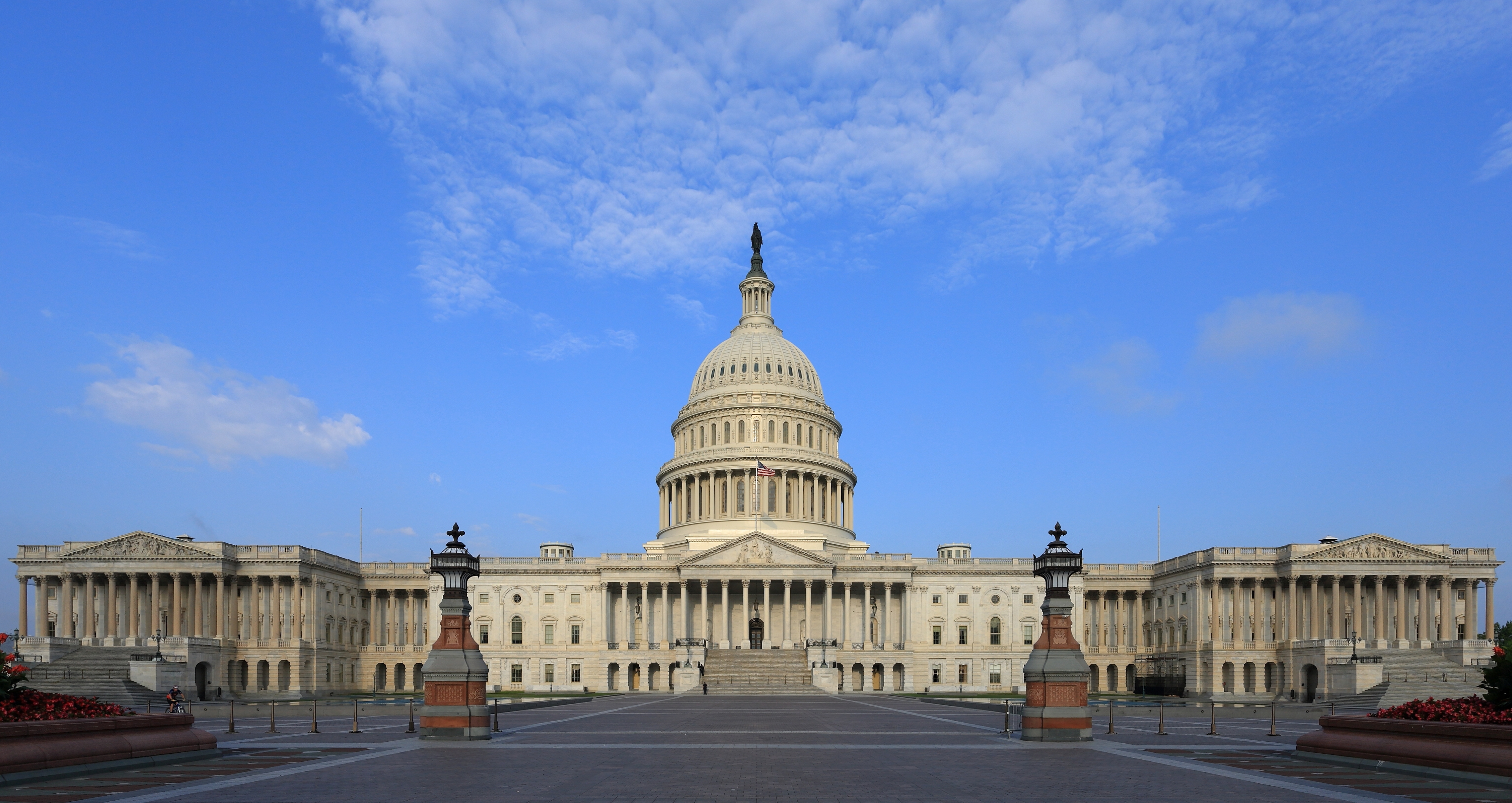

Understand the story.
A new pitch, not a measured saving
Whatley’s campaign says Monday’s Hendersonville rally addressed housing, health and energy costs. That is a new campaign message from an interested source. It does not establish that either candidate caused a household’s bills or that a proposed policy will reduce them. We have not adopted the release’s allegations about Cooper. [1]
Ask the same cost questions
Whatley’s published economy priorities stress energy and spending restraint. Cooper’s cost index covers food, health care, utilities, child care and housing. For either, ask what federal action is proposed, who receives help, how it is paid for and what would need to pass Congress. This comparison does not contain verified budget scores. [3] [4]
Keep all four choices visible
The official ballot includes Dublin and Bray as well as Cooper and Whatley. We have not retained equivalent cost-policy records for Dublin and Bray; that is a reporting gap, not evidence that they have no positions. This is not a complete four-candidate questionnaire or a prediction. [2]
What the winner can change
The office brings votes on federal legislation and presidential appointments. One senator cannot enact a cost plan alone. Read the actual campaign plans alongside the federal lawmaking steps; keep state voting rules in the separate election-office service resources. [4]
How we know4 scoped claims · 6 source recordsView evidence
Each claim keeps its full assertion, date, source passage and limits. Source counts describe records, not independent corroboration.
1.New cost messageAttributed
Whatley’s October 19 campaign statement says he and Vice President JD Vance discussed housing, health-care and energy costs at a Hendersonville rally.
- Scope
- North Carolina, November 3, 2026 U.S. Senate election. October 19 campaign statement, current retrieved campaign platforms and official general-election roster. This is an attributed comparison of available priorities, not a verified cost estimate, endorsement, poll or complete candidate questionnaire.
- Evidence passage
- October 19 date and opening paragraph, Hendersonville release.
- As of
- 2026-10-20
- Limit
- North Carolina, November 3, 2026 U.S. Senate election. October 19 campaign statement, current retrieved campaign platforms and official general-election roster. This is an attributed comparison of available priorities, not a verified cost estimate, endorsement, poll or complete candidate questionnaire. Equivalent retained cost-platform records for Dublin and Bray are missing. No outreach or interviews occurred. No independently verified fiscal score, enacted bill, quantified savings or complete record comparison is established. Campaign allegations are excluded.
Retrieved 2026-10-20T11:15:21.338Z · Michael Whatley campaign
Interested campaign account; no interview, attendance, independent account or verification of its allegations.
2.Four ballot choicesSupported
The state’s November 3 general-election list names Michael Dublin (Green), Roy Cooper (Democratic), Shannon W. Bray (Libertarian) and Michael Whatley (Republican) for U.S. Senate.
- Scope
- North Carolina, November 3, 2026 U.S. Senate election. October 19 campaign statement, current retrieved campaign platforms and official general-election roster. This is an attributed comparison of available priorities, not a verified cost estimate, endorsement, poll or complete candidate questionnaire.
- Evidence passage
- PDF page 1, US SENATE rows and election criteria.
- As of
- 2026-10-20
- Limit
- North Carolina, November 3, 2026 U.S. Senate election. October 19 campaign statement, current retrieved campaign platforms and official general-election roster. This is an attributed comparison of available priorities, not a verified cost estimate, endorsement, poll or complete candidate questionnaire. Equivalent retained cost-platform records for Dublin and Bray are missing. No outreach or interviews occurred. No independently verified fiscal score, enacted bill, quantified savings or complete record comparison is established. Campaign allegations are excluded.
Retrieved 2026-10-20T11:15:21.354Z · North Carolina State Board of Elections
State-only general-election roster, not a poll or debate participant list.
3.Available priorities differAttributed
Whatley’s economy section emphasizes energy supply and federal spending restraint. Cooper’s cost index identifies food, health care, energy, child care and housing as priorities. These are campaign positions; the retrieved summaries do not establish their fiscal costs or effects.
- Scope
- North Carolina, November 3, 2026 U.S. Senate election. October 19 campaign statement, current retrieved campaign platforms and official general-election roster. This is an attributed comparison of available priorities, not a verified cost estimate, endorsement, poll or complete candidate questionnaire.
- Evidence passage
- Whatley: America First Economy; Cooper: five cost-plan headings and summaries.
- As of
- 2026-10-20
- Limit
- North Carolina, November 3, 2026 U.S. Senate election. October 19 campaign statement, current retrieved campaign platforms and official general-election roster. This is an attributed comparison of available priorities, not a verified cost estimate, endorsement, poll or complete candidate questionnaire. Equivalent retained cost-platform records for Dublin and Bray are missing. No outreach or interviews occurred. No independently verified fiscal score, enacted bill, quantified savings or complete record comparison is established. Campaign allegations are excluded.
Retrieved 2026-10-20T11:15:21.427Z · Michael Whatley campaign
Undated current campaign priorities, not an enacted policy, cost score or verified record.
Retrieved 2026-10-20T11:15:21.304Z · Roy Cooper campaign
Undated campaign index of cost proposals; links and labels are promises, not enacted results or verified savings.
4.A Senate seat has shared and distinct powersSupported
A senator participates in federal lawmaking, which generally requires agreement by both chambers and presidential consideration. The Senate also reviews presidential executive and judicial nominations.
- Scope
- North Carolina, November 3, 2026 U.S. Senate election. October 19 campaign statement, current retrieved campaign platforms and official general-election roster. This is an attributed comparison of available priorities, not a verified cost estimate, endorsement, poll or complete candidate questionnaire.
- Evidence passage
- USAGov: How a bill becomes a law, steps 4–7; Senate: Nominations and Voting.
- As of
- 2026-10-20
- Limit
- North Carolina, November 3, 2026 U.S. Senate election. October 19 campaign statement, current retrieved campaign platforms and official general-election roster. This is an attributed comparison of available priorities, not a verified cost estimate, endorsement, poll or complete candidate questionnaire. Equivalent retained cost-platform records for Dublin and Bray are missing. No outreach or interviews occurred. No independently verified fiscal score, enacted bill, quantified savings or complete record comparison is established. Campaign allegations are excluded.
Retrieved 2026-10-20T11:15:21.433Z · USAGov
General federal procedure; it establishes no candidate’s support or state-level utility authority.
Retrieved 2026-10-20T11:15:21.398Z · U.S. Senate
Institutional background, not a race forecast or promise of passage.
What remains open.
- Equivalent retained cost-platform records for Dublin and Bray are missing. No outreach or interviews occurred.
- No independently verified fiscal score, enacted bill, quantified savings or complete record comparison is established. Campaign allegations are excluded.
A newly retained plan or enacted provision that changes the comparison.
THIS STORY IN TIME
Keep the dates with the story.
- Reported development
- Evidence as of
- First retained publication
- This version published
Publication times are Central. A development date and an evidence date can differ. Missing dates remain unrecorded.