← 2026-10-22 edition · Sourced reporting
Published Oct 22, 2026, 3:54 PM Central · This version Oct 22, 2026, 3:54 PM Central · As of 2026-10-22
Fathers have no guaranteed paid leave in 66 economies, a new UN account says
A new UN account covering 190 economies says 66 guarantee fathers no paid leave and six guarantee mothers none. Those counts expose gaps in protection; they do not measure leave actually taken or change your benefits. U.S. workers can check unpaid FMLA protection separately from paid leave. [1] [2] [3]
U.S. workers: check USAGov’s FMLA eligibility and state-program links. Unpaid job protection and paid leave are separate questions; this global comparison cannot decide your entitlement. →UN News account dated October 22, 2026 of a UN Women–World Bank brief covering 190 economies. Counts of economies with no guaranteed paid leave for mothers/fathers, not shares of parents, actual leave taken or a new legal entitlement. Underlying policy reference date and detailed eligibility definitions are not independently established here. U.S. FMLA help is separate, older service context.
- 2 source records
- Original reporting
- UN News
- U.S. General Services Administration / USAGov
Still open: Underlying policy reference date, detailed eligibility definitions and country-level implementation are not independently established here. UN News’s reported counts are not a recalculated global data set. All open questions ↓
Reporting question · As of 2026-10-22
The question: What does the new global paid-leave comparison establish, and what should a worker check before budgeting for time with a new child?
UN News account dated October 22, 2026 of a UN Women–World Bank brief covering 190 economies. Counts of economies with no guaranteed paid leave for mothers/fathers, not shares of parents, actual leave taken or a new legal entitlement. Underlying policy reference date and detailed eligibility definitions are not independently established here. U.S. FMLA help is separate, older service context.
UN News report, October 22, 2026; underlying policy reference date unverified · economies out of 190 surveyed
UN-reported counts in a 190-economy comparison. Categories may overlap; do not add them. Not shares of parents, leave taken, wage replacement or a personal entitlement.
Read the values and scale as a table
| Measure | Value (economies out of 190 surveyed) | Evidence |
|---|---|---|
| Fathers: no paid-leave guarantee | 66 | [1] |
| Mothers: no paid-leave guarantee | 6 | [2] |
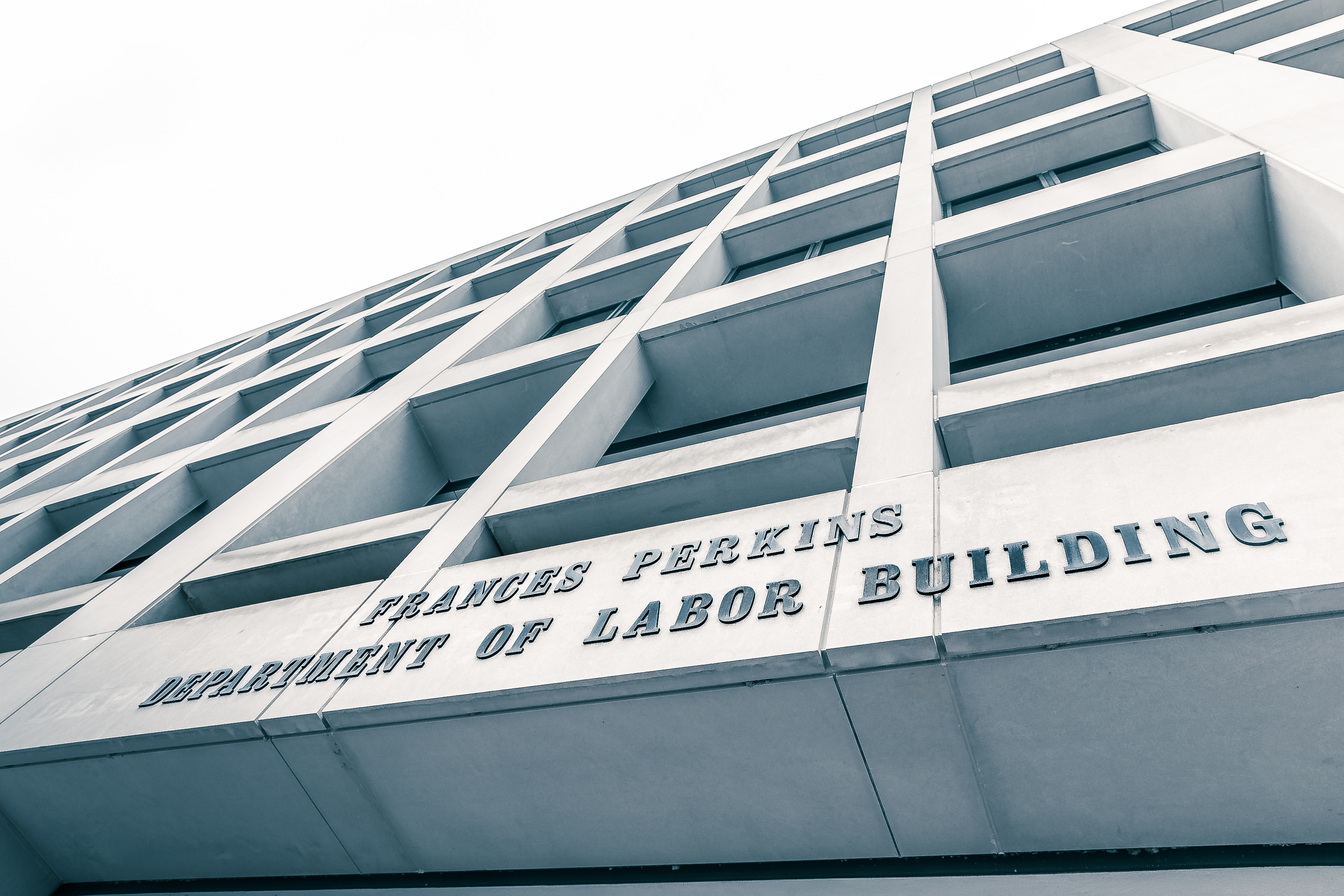
Archive photograph · 2017-06-14 · Washington, D.C., United States

Understand the story.
Two gaps, one comparison
The October 22 UN News account says 66 of 190 surveyed economies guarantee fathers no paid leave. For mothers, it reports six economies with no guarantee. The two groups may overlap: adding them would not produce a valid count of distinct economies. Nor are these counts percentages of parents. [1] [2]
A guarantee is not leave taken
The comparison matters to families trying to share care and protect income. It cannot show how many workers qualify, what share of wages a scheme replaces, whether a parent can afford to use it or how much leave parents actually take. Those questions need the relevant country’s rules and implementation evidence. The underlying reference date and detailed eligibility definitions remain unverified here. [1] [2]
Paid leave and job protection differ
For U.S. readers, USAGov describes up to 12 weeks of unpaid FMLA leave in a 12-month period for eligible employees. Employer coverage, tenure, hours worked and worksite conditions matter. USAGov also links state-program checks. This older service guidance is separate from the new UN account; neither establishes your individual eligibility. [3]
Check the rule before budgeting
Use the linked USAGov page to check eligibility, follow the state-program route and understand the employer notification process. Confirm duration, pay and job protection as separate questions before relying on an income plan. A global headline is a reason to check the relevant rules, not confirmation that your leave is paid. [3]
How we know3 scoped claims · 2 source recordsView evidence
Each claim keeps its full assertion, date, source passage and limits. Source counts describe records, not independent corroboration.
1.No paid-leave guarantee for fathersAttributed
UN News reports that fathers are guaranteed no paid leave in 66 of the 190 economies surveyed.
- Scope
- UN News account dated October 22, 2026 of a UN Women–World Bank brief covering 190 economies. Counts of economies with no guaranteed paid leave for mothers/fathers, not shares of parents, actual leave taken or a new legal entitlement. Underlying policy reference date and detailed eligibility definitions are not independently established here. U.S. FMLA help is separate, older service context.
- Evidence passage
- Opening comparison, paragraph beginning In 66 of the 190 economies surveyed.
- As of
- 2026-10-22
- Limit
- UN News’s account of the brief, not an independently recalculated data set or a count of affected parents.
Retrieved 2026-10-22T20:03:25.035Z · UN News
UN original reporting about UN Women–World Bank research. Underlying PDF and country-level methods are not included in the accepted case captures; no independent causal or global-worker estimate.
2.No paid-leave guarantee for mothersAttributed
UN News reports that mothers are guaranteed no paid leave in six economies in the comparison.
- Scope
- UN News account dated October 22, 2026 of a UN Women–World Bank brief covering 190 economies. Counts of economies with no guaranteed paid leave for mothers/fathers, not shares of parents, actual leave taken or a new legal entitlement. Underlying policy reference date and detailed eligibility definitions are not independently established here. U.S. FMLA help is separate, older service context.
- Evidence passage
- Opening comparison, paragraph beginning Mothers are not universally protected either.
- As of
- 2026-10-22
- Limit
- The six economies may overlap the 66 in the father category. These categories are not additive and do not describe leave actually taken.
Retrieved 2026-10-22T20:03:25.035Z · UN News
UN original reporting about UN Women–World Bank research. Underlying PDF and country-level methods are not included in the accepted case captures; no independent causal or global-worker estimate.
3.Unpaid leave is a separate U.S. checkSupported
USAGov describes up to 12 weeks of unpaid FMLA leave in a 12-month period for eligible employees, with employer coverage and employee eligibility conditions; it also links state-program checks.
- Scope
- UN News account dated October 22, 2026 of a UN Women–World Bank brief covering 190 economies. Counts of economies with no guaranteed paid leave for mothers/fathers, not shares of parents, actual leave taken or a new legal entitlement. Underlying policy reference date and detailed eligibility definitions are not independently established here. U.S. FMLA help is separate, older service context.
- Evidence passage
- FMLA benefits; FMLA eligibility; How to apply for FMLA.
- As of
- 2026-10-22
- Limit
- Older U.S. service guidance, last updated March 28, 2025. No individual eligibility, paid leave award or worldwide application.
Retrieved 2026-10-22T20:06:23.162Z · U.S. General Services Administration / USAGov
Older general U.S. guidance, not a new benefit, legal determination for an individual or source for the UN comparison.
What remains open.
- Underlying policy reference date, detailed eligibility definitions and country-level implementation are not independently established here. UN News’s reported counts are not a recalculated global data set.
- No worker-level take-up, earnings effect, causal estimate, local paid-leave award or universal entitlement is established.
- The UN Women publication page was read as a lead; its host/PDF is outside the unchanged accepted capture family. The accepted original reporting source is UN News. No claim is based on search snippets.
A corrected UN count, underlying method changing the comparison, country coverage clarification or changed U.S. service guidance would reopen the relevant claim, graphic and help wording.
THIS STORY IN TIME
Keep the dates with the story.
- Reported development
- Evidence as of
- First retained publication
- This version published
Publication times are Central. A development date and an evidence date can differ. Missing dates remain unrecorded.