← 2026-10-20 edition · Sourced reporting
Published Oct 20, 2026, 10:21 AM Central · This version Oct 20, 2026, 10:21 AM Central · As of 2026-10-20
FDA opens an immunotherapy option for a narrow rectal-cancer group
FDA’s October 19 accelerated approval offers Jemperli alone to a specified group of previously untreated stage II/III rectal-cancer patients with dMMR or MSI-H tumors. Interim results may permit avoiding other treatments, but durability, surveillance and serious immune-related harms remain central. [1] [2] [4]
Read the FDA indication and safety summary with your treating oncology team; ask whether the tumor test, prior-treatment restriction and follow-up requirements apply to you. →United States FDA accelerated approval announced October 19, 2026: adults with previously untreated stage II/III locally advanced rectal cancer that is dMMR or MSI-H on an FDA-authorized test. Institutional decision account and interim studies, not personal medical advice or universal cure.
- 1 source record
- FDA
Still open: Current prescribing-label bytes and patient-level data were not retained. The technical FDA drug page is outside the installed capture scope and is excluded from numerical claims. All open questions ↓
Reporting question · As of 2026-10-20
The question: Who may benefit from the new Jemperli indication, and what remains unproven?
United States FDA accelerated approval announced October 19, 2026: adults with previously untreated stage II/III locally advanced rectal cancer that is dMMR or MSI-H on an FDA-authorized test. Institutional decision account and interim studies, not personal medical advice or universal cure.
Discuss monitoring and harms
Continued follow-up and severe immune-reaction risk remain part of the decision.
[4]Eligibility and follow-up checks from FDA’s October 19 announcement, not an individual treatment pathway, efficacy comparison or promise of cure.
Read the process as a table
| Component | Meaning | Evidence |
|---|---|---|
| Check the indication | Adult, previously untreated, stage II/III locally advanced rectal cancer. | [1] |
| Verify tumor testing | dMMR or MSI-H on an FDA-authorized test is required. | [1] |
| Discuss monitoring and harms | Continued follow-up and severe immune-reaction risk remain part of the decision. | [4] |
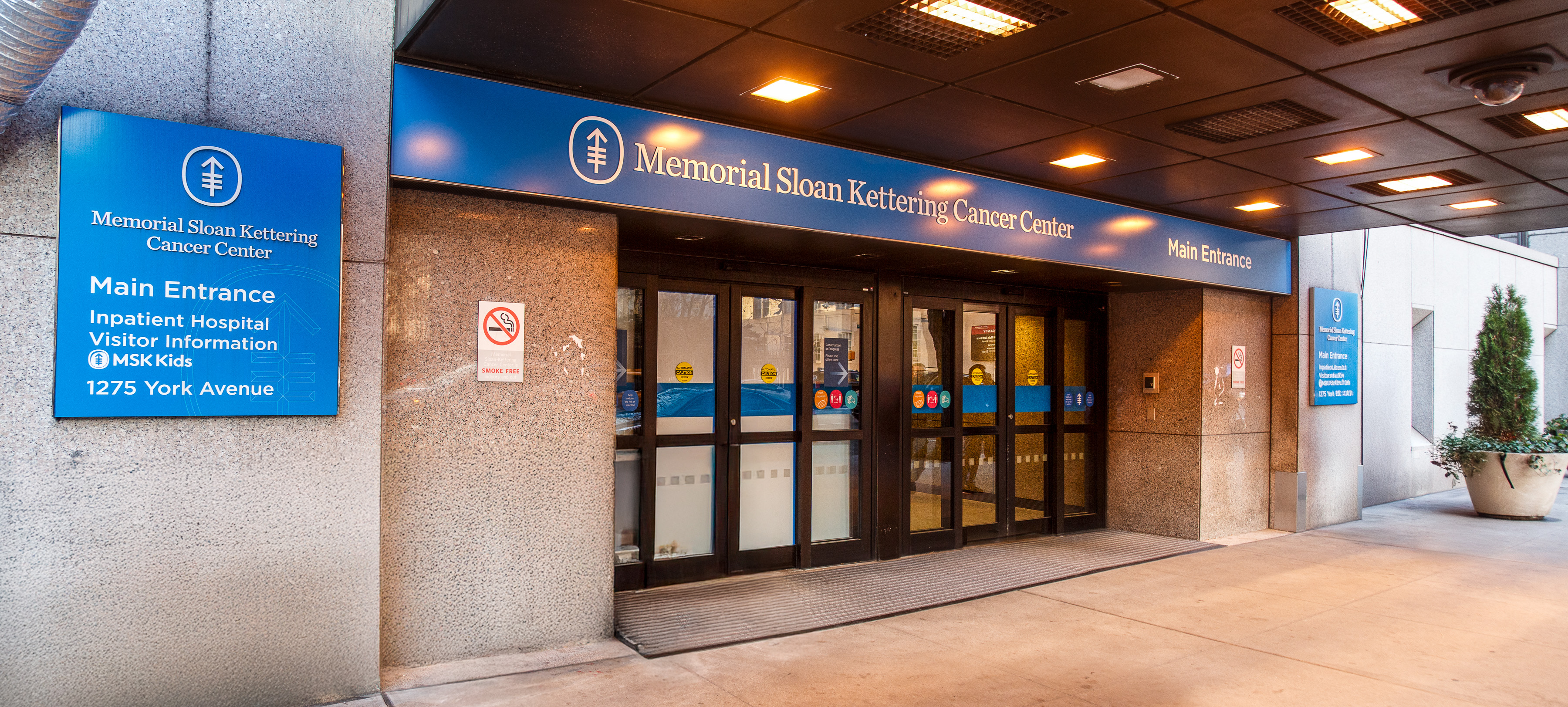
Archive photograph · 2021-12-28 · New York City, New York, United States

Understand the story.
The useful question is eligibility
Monday’s FDA approval is limited to previously untreated adults with stage II or III locally advanced rectal cancer and the specified tumor-testing result. It does not cover every rectal cancer. The immediate next step is to discuss whether the indication and testing apply with the treating oncology team. [1]
Promising interim evidence needs time
FDA’s account of the 154-patient AZUR-1 study says almost three-fourths had not needed surgery, radiation or chemotherapy after a median follow-up exceeding two years. Avoiding those treatments during follow-up is not proof of a permanent cure. The separate 50-patient MSK study is a different population and outcome account. [2] [3]
Benefit and harm belong together
Accelerated approval requires continued follow-up to confirm lasting benefit. The drug can also cause the immune system to attack healthy organs, sometimes severely or fatally. The announcement is not an instruction to stop current treatment or surveillance. [4]
Bring the decision to your care team
Read FDA’s indication and safety account with the oncology team, then ask about tumor testing, the treatment choices and monitoring needed in your situation. This report has not independently analyzed patient-level data or verified a current prescribing label. [1] [4]
How we know4 scoped claims · 1 source recordView evidence
Each claim keeps its full assertion, date, source passage and limits. Source counts describe records, not independent corroboration.
1.A specific new indicationSupported
FDA granted accelerated approval of Jemperli alone for adults with previously untreated stage II or III locally advanced rectal cancer that is dMMR or MSI-H, determined by an FDA-authorized test.
- Scope
- United States FDA accelerated approval announced October 19, 2026: adults with previously untreated stage II/III locally advanced rectal cancer that is dMMR or MSI-H on an FDA-authorized test. Institutional decision account and interim studies, not personal medical advice or universal cure.
- Evidence passage
- Paragraph beginning Today’s approval is for Jemperli used alone; tumor testing restriction.
- As of
- 2026-10-20
- Limit
- United States FDA accelerated approval announced October 19, 2026: adults with previously untreated stage II/III locally advanced rectal cancer that is dMMR or MSI-H on an FDA-authorized test. Institutional decision account and interim studies, not personal medical advice or universal cure. Current prescribing-label bytes and patient-level data were not retained. The technical FDA drug page is outside the installed capture scope and is excluded from numerical claims. No randomized comparative benefit, permanent cure, individual eligibility or instruction to alter treatment is established.
Retrieved 2026-10-20T14:36:36.994Z · FDA
Regulator’s decision announcement summarizing interim single-arm evidence. Current prescribing label and individual patient data are not attached; no independent comparative efficacy or permanent cure is established.
2.Interim AZUR-1 evidenceAttributed
FDA says AZUR-1 evaluated 154 patients. After a median follow-up of more than two years, almost three-fourths had not needed surgery, radiotherapy or chemotherapy; longer follow-up is needed for durability and recurrence.
- Scope
- United States FDA accelerated approval announced October 19, 2026: adults with previously untreated stage II/III locally advanced rectal cancer that is dMMR or MSI-H on an FDA-authorized test. Institutional decision account and interim studies, not personal medical advice or universal cure.
- Evidence passage
- AZUR-1 (NCT05723562) paragraph; follow-up and treatment-avoidance wording. No exact 75% calculation is asserted.
- As of
- 2026-10-20
- Limit
- United States FDA accelerated approval announced October 19, 2026: adults with previously untreated stage II/III locally advanced rectal cancer that is dMMR or MSI-H on an FDA-authorized test. Institutional decision account and interim studies, not personal medical advice or universal cure. Current prescribing-label bytes and patient-level data were not retained. The technical FDA drug page is outside the installed capture scope and is excluded from numerical claims. No randomized comparative benefit, permanent cure, individual eligibility or instruction to alter treatment is established.
Retrieved 2026-10-20T14:36:36.994Z · FDA
Regulator’s decision announcement summarizing interim single-arm evidence. Current prescribing label and individual patient data are not attached; no independent comparative efficacy or permanent cure is established.
3.A separate earlier studyAttributed
FDA separately describes a 50-patient Memorial Sloan Kettering study. Its response and recurrence measures must not be substituted for AZUR-1’s treatment-avoidance outcome.
- Scope
- United States FDA accelerated approval announced October 19, 2026: adults with previously untreated stage II/III locally advanced rectal cancer that is dMMR or MSI-H on an FDA-authorized test. Institutional decision account and interim studies, not personal medical advice or universal cure.
- Evidence passage
- Earlier MSK study (NCT04165772) paragraph; distinct 50-patient population.
- As of
- 2026-10-20
- Limit
- United States FDA accelerated approval announced October 19, 2026: adults with previously untreated stage II/III locally advanced rectal cancer that is dMMR or MSI-H on an FDA-authorized test. Institutional decision account and interim studies, not personal medical advice or universal cure. Current prescribing-label bytes and patient-level data were not retained. The technical FDA drug page is outside the installed capture scope and is excluded from numerical claims. No randomized comparative benefit, permanent cure, individual eligibility or instruction to alter treatment is established.
Retrieved 2026-10-20T14:36:36.994Z · FDA
Regulator’s decision announcement summarizing interim single-arm evidence. Current prescribing label and individual patient data are not attached; no independent comparative efficacy or permanent cure is established.
4.Approval carries follow-up and safety conditionsSupported
FDA says the sponsor must continue follow-up to confirm lasting clinical benefit. Jemperli can cause severe or fatal immune attacks on healthy tissues; commonly reported effects included fatigue, rash, diarrhea and itching.
- Scope
- United States FDA accelerated approval announced October 19, 2026: adults with previously untreated stage II/III locally advanced rectal cancer that is dMMR or MSI-H on an FDA-authorized test. Institutional decision account and interim studies, not personal medical advice or universal cure.
- Evidence passage
- Immune-system safety paragraph and final accelerated-approval follow-up condition.
- As of
- 2026-10-20
- Limit
- United States FDA accelerated approval announced October 19, 2026: adults with previously untreated stage II/III locally advanced rectal cancer that is dMMR or MSI-H on an FDA-authorized test. Institutional decision account and interim studies, not personal medical advice or universal cure. Current prescribing-label bytes and patient-level data were not retained. The technical FDA drug page is outside the installed capture scope and is excluded from numerical claims. No randomized comparative benefit, permanent cure, individual eligibility or instruction to alter treatment is established.
Retrieved 2026-10-20T14:36:36.994Z · FDA
Regulator’s decision announcement summarizing interim single-arm evidence. Current prescribing label and individual patient data are not attached; no independent comparative efficacy or permanent cure is established.
What remains open.
- Current prescribing-label bytes and patient-level data were not retained. The technical FDA drug page is outside the installed capture scope and is excluded from numerical claims.
- No randomized comparative benefit, permanent cure, individual eligibility or instruction to alter treatment is established.
Recurrence, safety findings, indication changes or confirmatory results altering the benefit-risk account.
THIS STORY IN TIME
Keep the dates with the story.
- Reported development
- Evidence as of
- First retained publication
- This version published
Publication times are Central. A development date and an evidence date can differ. Missing dates remain unrecorded.