← 2026-10-25 edition · Sourced reporting
Published Oct 25, 2026, 12:44 PM Central · This version Oct 25, 2026, 12:44 PM Central · As of 2026-10-25
A new training path could help rural Minnesota keep maternity care close
MPR’s October 25 report examines a Minnesota fellowship planned for July 2027: two family physicians a year would receive advanced obstetrics training. Keeping local maternity services open remains the goal. [1] [3]
Physicians: read the university’s fellowship curriculum and application information →Rural Minnesota: MPR’s October 25 original reporting on a University of Minnesota–CentraCare obstetrics fellowship planned for July 2027. Training capacity is prospective; no graduates, retained doctors, prevented closures or patient outcomes are established.
- 1 source record
- Original reporting
- MPR News
Still open: Actual enrollment, training completion, rural job placement, retention, prevented unit closures and patient outcomes are not established. All open questions ↓
Reporting question · As of 2026-10-25
The question: How could a Minnesota obstetrics fellowship help rural maternity care, and what is still only a plan?
Rural Minnesota: MPR’s October 25 original reporting on a University of Minnesota–CentraCare obstetrics fellowship planned for July 2027. Training capacity is prospective; no graduates, retained doctors, prevented closures or patient outcomes are established.
Minnesota fellowship plan reported October 25. Intake is not graduates or services preserved; cards show no measured causal sequence.
Read the process as a table
| Component | Meaning | Evidence |
|---|---|---|
| Planned intake: 2 per year | Family physicians; first cohort due July 2027. | [1] |
| One year of training | Advanced maternity and newborn care. | [1] [2] |
| Local care is the goal | Retention and prevented closures remain unmeasured. | [3] |
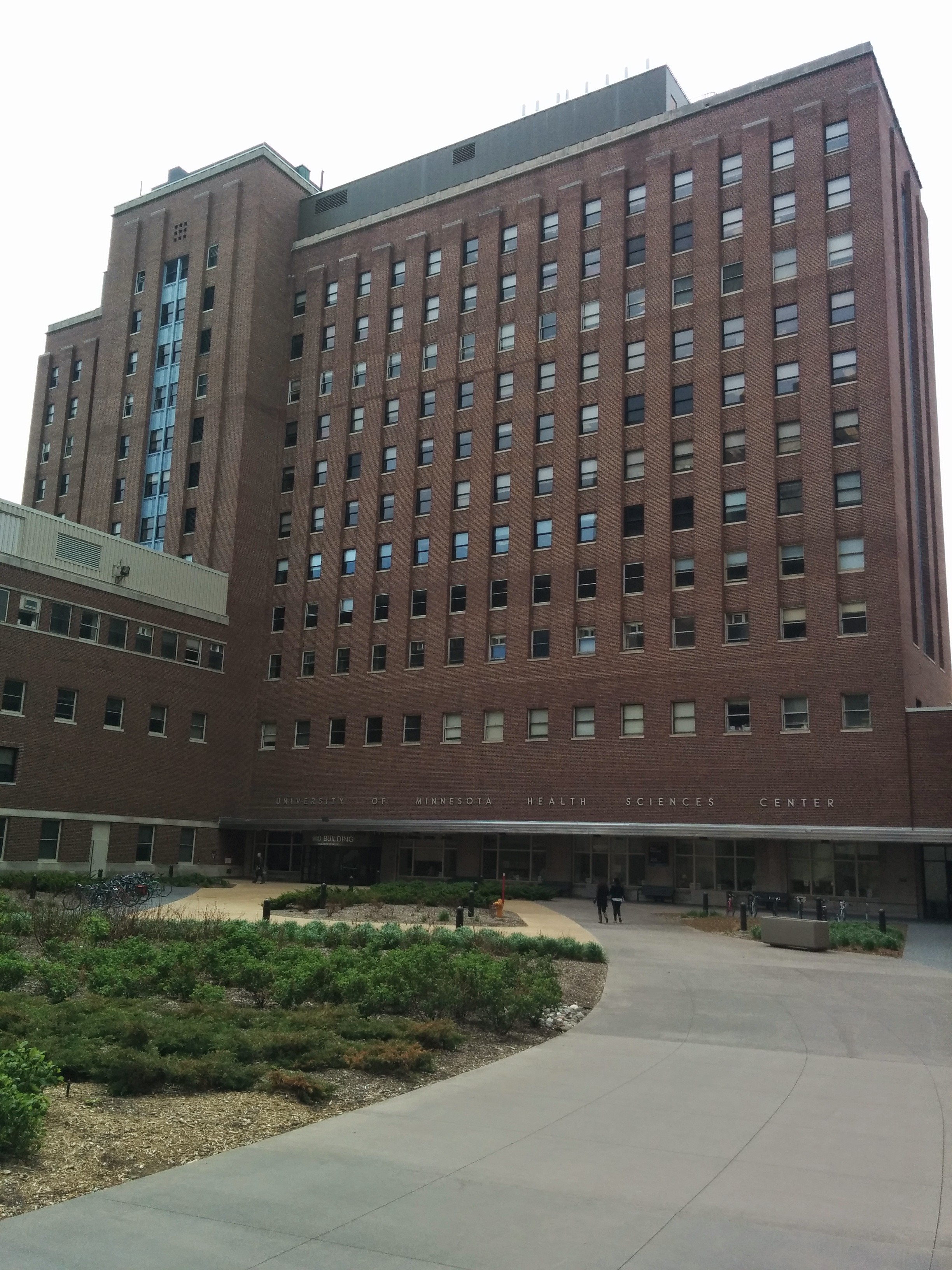
Archive photograph · 2015-05-20 · University of Minnesota, Minneapolis, Minnesota, United States

Understand the story.
A practical response to a staffing gap
Rural maternity care needs people who can manage complicated births. Program leaders tell MPR that family physicians are essential where specialists are scarce, but many need more surgical training. [3]
Two places, with training still ahead
The University of Minnesota–CentraCare fellowship would last one year. MPR reports planned experience in surgical births, newborn resuscitation and mental health around pregnancy. The first cohort is due in July 2027. [1] [2]
What success would require
Training capacity is a promising step; recruitment, retention and viable hospital services still have to follow. Physicians can check the university’s program page. Families should not treat a future fellowship as confirmation that local delivery care is available today. [1] [3]
How we know3 scoped claims · 1 source recordView evidence
Each claim keeps its full assertion, date, source passage and limits. Source counts describe records, not independent corroboration.
1.A training route for rural careAttributed
MPR’s October 25 report says the University of Minnesota and CentraCare plan a one-year obstetrics fellowship for two board-certified family medicine physicians each year, with the first cohort starting training in July 2027.
- Scope
- Rural Minnesota: MPR’s October 25 original reporting on a University of Minnesota–CentraCare obstetrics fellowship planned for July 2027. Training capacity is prospective; no graduates, retained doctors, prevented closures or patient outcomes are established.
- Evidence passage
- Paragraph beginning The partnership is launching; final section beginning Two board-certified family medicine physicians; sentence The first cohort of fellows will begin training in July 2027.
- As of
- 2026-10-25
- Limit
- Planned training intake, not two graduates, jobs filled, doctors retained, clinics opened or births served; no exact initial announcement date established.
Retrieved 2026-10-25T17:01:57.798Z · MPR News
One original newsroom account quoting program leaders. NTDS did not interview them, observe training, independently audit the underlying hospital-closure study or measure patient outcomes.
2.Skills for complicated birthsAttributed
MPR reports planned rotations at CentraCare clinics and hospitals, with surgical obstetrics, newborn resuscitation and mental health around pregnancy as training areas.
- Scope
- Rural Minnesota: MPR’s October 25 original reporting on a University of Minnesota–CentraCare obstetrics fellowship planned for July 2027. Training capacity is prospective; no graduates, retained doctors, prevented closures or patient outcomes are established.
- Evidence passage
- Paragraph beginning Two board-certified family medicine physicians will be selected.
- As of
- 2026-10-25
- Limit
- A curriculum description, not demonstrated graduate competence or treatment advice.
Retrieved 2026-10-25T17:01:57.798Z · MPR News
One original newsroom account quoting program leaders. NTDS did not interview them, observe training, independently audit the underlying hospital-closure study or measure patient outcomes.
3.Why the training could matterAttributed
Keri Bergeson and Christine Goudge explain to MPR that rural obstetric care depends on family physicians and that many lack training for surgical births. Bergeson hopes better recruitment will help hospitals maintain maternity services.
- Scope
- Rural Minnesota: MPR’s October 25 original reporting on a University of Minnesota–CentraCare obstetrics fellowship planned for July 2027. Training capacity is prospective; no graduates, retained doctors, prevented closures or patient outcomes are established.
- Evidence passage
- Paragraphs beginning Keri Bergeson, Bergeson and CentraCare’s Christine Goudge, and For many rural hospitals; quotation beginning If rural hospitals have more opportunity.
- As of
- 2026-10-25
- Limit
- Their program rationale and hope, not independent proof that this fellowship will prevent closures. Financial viability and physician recruitment remain constraints.
Retrieved 2026-10-25T17:01:57.798Z · MPR News
One original newsroom account quoting program leaders. NTDS did not interview them, observe training, independently audit the underlying hospital-closure study or measure patient outcomes.
What remains open.
- Actual enrollment, training completion, rural job placement, retention, prevented unit closures and patient outcomes are not established.
- The exact first announcement date is unknown. October 25 is the date of MPR’s new reporting and named explanations, not an invented launch or announcement date.
- The university program page was read as a practical help destination and contrary/status check. Its host is outside installed evidence-capture families; it supplies no graph claim or freshness proof. Its detailed tentative day and priority deadline are left to the current official page.
- No independent hospital-closure dataset, funding audit or clinical outcomes study is attached. The draft omits the source’s statewide closure count and percentage rather than reproduce unreviewed denominators.
A revised program schedule, canceled intake, actual enrollment/graduation record, rural placement and retention data, change in hospital service or correction to the original report would reopen this account.
THIS STORY IN TIME
Keep the dates with the story.
- Reported development
- Evidence as of
- First retained publication
- This version published
Publication times are Central. A development date and an evidence date can differ. Missing dates remain unrecorded.
What readers add.
Comments are reviewed before they appear. Max includes five comments and two custom story requests each day.
Loading reviewed comments…
Add a comment with Max →