← 2026-10-23 edition · Sourced reporting
Published Oct 23, 2026, 7:00 AM Central · This version Oct 23, 2026, 7:00 AM Central · As of 2026-10-23
Texas voters’ cost worries sharpen the Senate tariff choice
New Texas Tribune interviews put household costs at the center of South Texas campaign arguments, without establishing a voting shift. The Senate field offers a real tariff divide in older records: Talarico and Brown favor reversal; Paxton’s retained statement supports Trump’s tariff action. [1] [2] [3]
Use USAGov’s official state-election-office directory to reach Texas’s responsible office. Confirm service rules there; this report supplies no local deadline. →Texas, November 3, 2026 U.S. Senate election. October 22 original reporting; October 13 questionnaire and August 28 ballot certifications are older context. Qualitative interviews are not a representative survey, race forecast or verified household saving.
- 6 source records
- Original reporting
- Gabby Birenbaum / The Texas Tribune
- Gabby Birenbaum, María Méndez and Kayla Guo / The Texas Tribune
- Texas Secretary of State
- +2 more
Still open: No representative inference is drawn from the Tribune’s interviews; no poll estimate or forecast is used. All open questions ↓
Reporting question · As of 2026-10-23
The question: What do new South Texas interviews add to the Senate choice on household costs?
Texas, November 3, 2026 U.S. Senate election. October 22 original reporting; October 13 questionnaire and August 28 ballot certifications are older context. Qualitative interviews are not a representative survey, race forecast or verified household saving.
Tariff choice
Older records: Talarico and Brown favor reversal; Paxton’s supplied earlier statement supports Trump’s action.
[2]Texas, November 3, 2026 U.S. Senate election. October 22 original reporting; October 13 questionnaire and August 28 ballot certifications are older context. Qualitative interviews are not a representative survey, race forecast or verified household saving. Cards group records, not a causal sequence or shared numerical scale.
Read the process as a table
| Component | Meaning | Evidence |
|---|---|---|
| New interviews | Cost dissatisfaction does not automatically become a party switch. | [1] |
| Tariff choice | Older records: Talarico and Brown favor reversal; Paxton’s supplied earlier statement supports Trump’s action. | [2] |
| Full Senate field | Three printed choices; four declared write-ins, with policy gaps retained. | [3] |
| Power at stake | A Senate vote on legislation and confirmations, with institutional limits. | [4] |
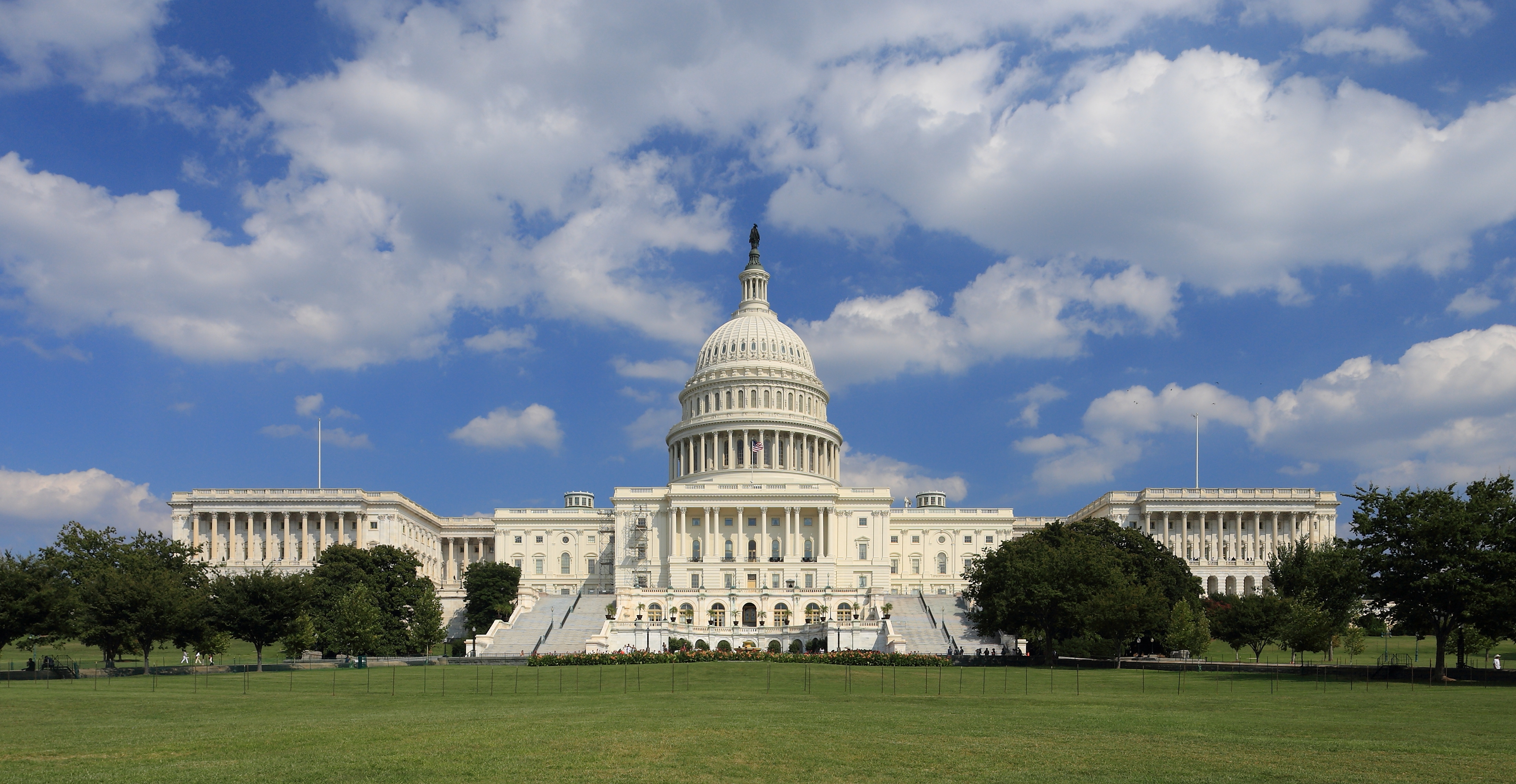
Archive photograph · 2013-09-05 · Washington, D.C., United States

Understand the story.
What is new
Gabby Birenbaum’s October 22 report describes competing efforts to win cost-conscious Latino voters. Its interviews point to dissatisfaction and candidate-specific choices. They cannot show how a population will vote. NTDS conducted no interviews. [1]
Ask the same policy question
The Tribune’s older questionnaire asks all three printed candidates about tariffs. Talarico and Brown favor reversal. Paxton supplied no answer; the outlet used his April 2025 support for Trump’s action. This is a difference in retained positions and response quality, with no demonstrated saving for a shopper. [2]
Keep the full field visible
Paxton, Talarico and Brown are the printed choices. Ayers, Hall, Mohamed and Simmons are declared write-ins. Comparable tariff positions for those four remain missing. Missing evidence does not establish agreement or opposition. [3]
Why a federal seat matters
The winner supplies a Senate vote on legislation, spending and confirmations. One senator cannot deliver a tariff promise alone. Compare the proposed action and its required votes; use the official election-office directory for service information. No race rating, numeric path to control or local deadline is asserted. [4] [5]
How we know5 scoped claims · 6 source recordsView evidence
Each claim keeps its full assertion, date, source passage and limits. Source counts describe records, not independent corroboration.
1.Cost frustration, uncertain destinationAttributed
The Tribune’s October 22 interviews describe anger about costs among Latino voters and strategists; both parties describe candidate-specific choices, rather than an automatic Democratic gain.
- Scope
- Texas, November 3, 2026 U.S. Senate election. October 22 original reporting; October 13 questionnaire and August 28 ballot certifications are older context. Qualitative interviews are not a representative survey, race forecast or verified household saving.
- Evidence passage
- Opening reporting and sections on candidate-over-party choices and the Republican pitch.
- As of
- 2026-10-23
- Limit
- Qualitative reporting cannot measure all Latino Texans, turnout, a race lead or a causal vote shift.
Retrieved 2026-10-23T10:02:11.948Z · Gabby Birenbaum / The Texas Tribune
Original interviews by the Tribune, not NTDS. Strategists are interested participants; anecdotes and their predictions cannot establish population support or turnout.
2.Compare the same tariff questionAttributed
In the October 13 questionnaire, Talarico calls for repeal of Trump’s tariffs and Brown for reversing Trump’s tariff changes. The Tribune found no direct Paxton answer to that question and supplied his April 2025 statement supporting Trump’s tariff action.
- Scope
- Texas, November 3, 2026 U.S. Senate election. October 22 original reporting; October 13 questionnaire and August 28 ballot certifications are older context. Qualitative interviews are not a representative survey, race forecast or verified household saving.
- Evidence passage
- Question asking whether tariffs should be maintained, reduced or eliminated; three candidate responses.
- As of
- 2026-10-23
- Limit
- These are attributed older positions, not enacted changes, an exhaustive record audit, or verified savings. Paxton’s older general support is not a new answer to the exact question.
Retrieved 2026-10-23T10:06:26.128Z · Gabby Birenbaum, María Méndez and Kayla Guo / The Texas Tribune
Older context. Talarico and Brown supplied answers; Paxton did not participate, and the outlet used earlier statements. No direct NTDS campaign contact or independent cost estimate.
3.Three printed candidates and four write-insSupported
The official records list Ken Paxton (Republican), James Talarico (Democratic) and Ted Brown (Libertarian) on the Senate ballot, and Avery Ayers, Bradford “Brad” Hall, Zul Mohamed and Jade Simmons as declared write-ins.
- Scope
- Texas, November 3, 2026 U.S. Senate election. October 22 original reporting; October 13 questionnaire and August 28 ballot certifications are older context. Qualitative interviews are not a representative survey, race forecast or verified household saving.
- Evidence passage
- Ballot Certification Report, printed page 1, U.S. Senator; write-in certification page 1, U.S. Senator.
- As of
- 2026-10-23
- Limit
- August 28 official records retained as checked context; comparable tariff positions for four write-ins are missing.
Retrieved 2026-10-23T10:02:12.863Z · Texas Secretary of State
August 28 certification; printed candidates, not debate participants. Addresses and other offices omitted from reader copy.
Retrieved 2026-10-23T10:02:11.541Z · Texas Secretary of State
Declared write-in candidates are distinct from printed ballot candidates.
4.Federal votes, with limitsSupported
The Senate acts on legislation, nominations and treaties. A senator’s proposal requires other institutional action before it becomes an operative federal policy.
- Scope
- Texas, November 3, 2026 U.S. Senate election. October 22 original reporting; October 13 questionnaire and August 28 ballot certifications are older context. Qualitative interviews are not a representative survey, race forecast or verified household saving.
- Evidence passage
- Powers & Procedures: legislation, nominations, treaties and lawmaking links.
- As of
- 2026-10-23
- Limit
- A single seat supplies a vote, not unilateral tariff-setting power or a prediction of chamber control.
Retrieved 2026-10-23T10:02:11.908Z · United States Senate
Office powers only; no verified chamber-control forecast or candidate voting-record audit.
5.Keep voting help separateSupported
USAGov provides a directory of official state election offices.
- Scope
- Texas, November 3, 2026 U.S. Senate election. October 22 original reporting; October 13 questionnaire and August 28 ballot certifications are older context. Qualitative interviews are not a representative survey, race forecast or verified household saving.
- Evidence passage
- State and local election offices: state office selector and directory.
- As of
- 2026-10-23
- Limit
- No local deadline or personal eligibility determination is established.
Retrieved 2026-10-23T10:22:43.629Z · USAGov
Official directory for finding state election offices; not a candidate-policy source or verified local deadline.
What remains open.
- No representative inference is drawn from the Tribune’s interviews; no poll estimate or forecast is used.
- Tariff statements are older context. A complete vote audit, independent household cost estimate and four write-ins’ comparable positions are missing.
- Wisconsin’s House lead was investigated separately but official roster access timed out. Michigan poll methodology and roster remain outside accepted capture paths.
- The initially captured Texas voter page is a moved-page shell and is excluded from claims; USAGov’s substantive directory replaces it.
A revised original, new contrary record, changed scope, final decision or documented outcome would reopen this exact case. New captures, timestamps or prose alone are not material news.
THIS STORY IN TIME
Keep the dates with the story.
- Reported development
- Evidence as of
- First retained publication
- This version published
Publication times are Central. A development date and an evidence date can differ. Missing dates remain unrecorded.