← 2026-10-23 edition · Sourced reporting
Published Oct 23, 2026, 5:12 PM Central · This version Oct 23, 2026, 5:12 PM Central · As of 2026-10-23
Texas’s Senate ad fight is changing the pitch. Check the policy behind it.
A new Tribune analysis says Senate advertising is helping reshape Texas’s campaign pitch. Paid emphasis does not establish voter support or the truth of an ad. The useful comparison is still the candidates’ policies and the federal votes the winner would cast. [1] [2] [3] [4] [5] [6]
Find your official state or local election office for voting rules. This service directory is separate from the campaign reporting. →Texas U.S. Senate election, November 3, 2026. October 22 advertising analysis; October 13 policy answers and August 28 ballot certifications are older context. Advertising is neither voter opinion nor proof of a claim or policy effect.
- 6 source records
- Original reporting
- The Texas Tribune
- Texas Secretary of State
- United States Senate
- +1 more
Still open: The underlying AdImpact dataset and ad coding are not independently reproduced; statewide spending is not attributed to a single race. All open questions ↓
Reporting question · As of 2026-10-23
The question: What does the new Texas advertising analysis reveal about the Senate choice, and what does it leave unanswered?
Texas U.S. Senate election, November 3, 2026. October 22 advertising analysis; October 13 policy answers and August 28 ballot certifications are older context. Advertising is neither voter opinion nor proof of a claim or policy effect.
Texas U.S. Senate election, November 3, 2026. October 22 advertising analysis; October 13 policy answers and August 28 ballot certifications are older context. Advertising is neither voter opinion nor proof of a claim or policy effect. Cards group evidence and checks; they are not a measured sequence or shared numerical scale.
Read the process as a table
| Component | Meaning | Evidence |
|---|---|---|
| Advertising evidence | New analysis of paid campaign emphasis; no measured persuasion. | [1] [2] |
| Candidate comparison | Older tariff answers; direct-response and write-in gaps stay visible. | [3] [4] |
| What the seat can do | A federal Senate vote; promises require further institutional action. | [5] |
Archive photograph · 2013-09-05 · Washington, D.C., United States
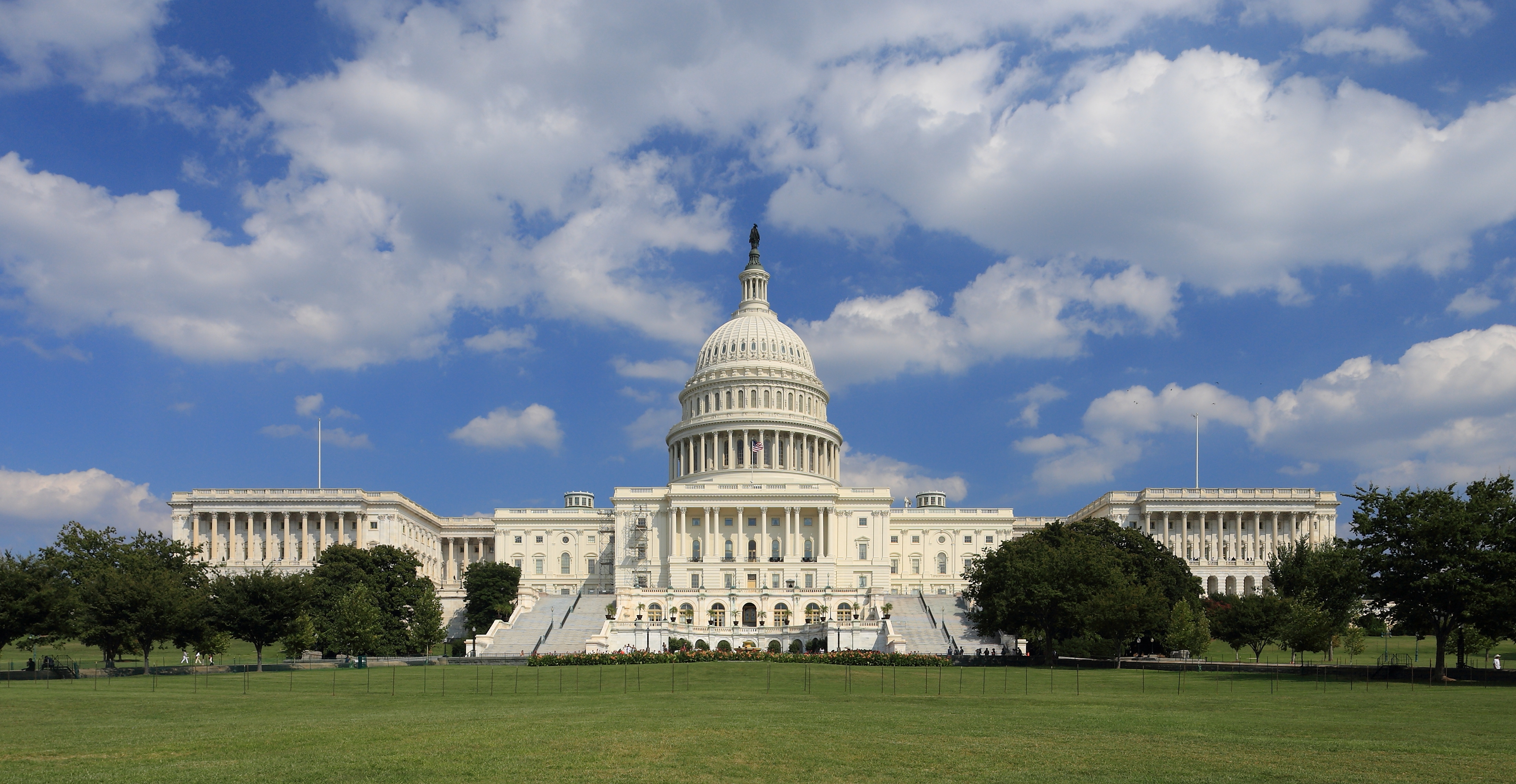

Understand the story.
What changed
The October 22 Tribune analysis traces a more combative ad campaign and identifies the Senate race as a major influence. Its statewide totals also include other contests; they are not Senate candidate accounts. [1] [2]
Compare answers, not volume
The older October 13 tariff answers offer a substantive contrast: Talarico and Brown favor reversal; Paxton’s retained earlier statement supports Trump’s action. His missing direct response and the write-ins’ missing comparable answers remain gaps. [3] [4]
Know who is running
The printed candidates are Paxton, Talarico and Brown. Ayers, Hall, Mohamed and Simmons are declared write-ins. The winner gains a Senate vote on federal legislation and confirmations. No polling or control forecast is established here. [4] [5]
Make the next check useful
Read the same policy question for each candidate, then check local voting rules with the responsible election office. Participation makes democracy work. Vote. Be heard. You have a voice. Use it! [3] [6]
How we know6 scoped claims · 6 source recordsView evidence
Each claim keeps its full assertion, date, source passage and limits. Source counts describe records, not independent corroboration.
1.A changing paid pitchAttributed
The Tribune’s October 22 AdImpact analysis describes the Senate contest as a major driver of changing advertising topics; Talarico’s leading October ad responds to Republican attacks.
- Scope
- Texas U.S. Senate election, November 3, 2026. October 22 advertising analysis; October 13 policy answers and August 28 ballot certifications are older context. Advertising is neither voter opinion nor proof of a claim or policy effect.
- Evidence passage
- Opening analysis and paragraphs beginning “An important note” and “Take Talarico”.
- As of
- 2026-10-23
- Limit
- AdImpact’s underlying records and ad classifications were not independently reproduced. No ad allegation or persuasion estimate is adopted.
Retrieved 2026-10-23T20:01:26.881Z · The Texas Tribune
The underlying AdImpact dataset and ad coding are not independently reproduced; statewide spending is not attributed to a single race. The tariff comparison repeats clearly dated context already available in the morning edition. No newly announced policy, verified saving or ad-effect estimate is claimed. A complete candidate vote audit and comparable positions for all declared write-ins remain missing. Wisconsin House roster access failed; no other-state forecast is substituted.
2.Statewide totals are not Senate accountsAttributed
The analysis covers Republican and Democratic advertising across Texas since June 2, including gubernatorial advertising as well as the Senate race.
- Scope
- Texas U.S. Senate election, November 3, 2026. October 22 advertising analysis; October 13 policy answers and August 28 ballot certifications are older context. Advertising is neither voter opinion nor proof of a claim or policy effect.
- Evidence passage
- Opening totals and paragraphs on Abbott’s earlier advertising.
- As of
- 2026-10-23
- Limit
- The aggregate cannot be labeled Senate-only spending, candidate receipts, unique audience reach or campaign effect.
Retrieved 2026-10-23T20:01:26.881Z · The Texas Tribune
The underlying AdImpact dataset and ad coding are not independently reproduced; statewide spending is not attributed to a single race. The tariff comparison repeats clearly dated context already available in the morning edition. No newly announced policy, verified saving or ad-effect estimate is claimed. A complete candidate vote audit and comparable positions for all declared write-ins remain missing. Wisconsin House roster access failed; no other-state forecast is substituted.
3.Apply the same tariff questionAttributed
In the October 13 questionnaire, Talarico favors repealing Trump’s tariffs and Brown reversing his tariff changes. Paxton did not answer; the outlet supplies his April 2025 statement supporting Trump’s tariff action.
- Scope
- Texas U.S. Senate election, November 3, 2026. October 22 advertising analysis; October 13 policy answers and August 28 ballot certifications are older context. Advertising is neither voter opinion nor proof of a claim or policy effect.
- Evidence passage
- Tariff question beginning “The Trump administration has set” and the three named responses.
- As of
- 2026-10-23
- Limit
- Older positions, not fresh announcements. Paxton’s quoted earlier position is not a direct answer. No candidate’s cost estimate is verified here.
Retrieved 2026-10-23T20:01:26.994Z · The Texas Tribune
The underlying AdImpact dataset and ad coding are not independently reproduced; statewide spending is not attributed to a single race. The tariff comparison repeats clearly dated context already available in the morning edition. No newly announced policy, verified saving or ad-effect estimate is claimed. A complete candidate vote audit and comparable positions for all declared write-ins remain missing. Wisconsin House roster access failed; no other-state forecast is substituted.
4.The full certified fieldSupported
Texas certifies Ken Paxton (Republican), James Talarico (Democratic) and Ted Brown (Libertarian) on the printed Senate ballot, with Avery Ayers, Bradford “Brad” Hall, Zul Mohamed and Jade Simmons as declared write-ins.
- Scope
- Texas U.S. Senate election, November 3, 2026. October 22 advertising analysis; October 13 policy answers and August 28 ballot certifications are older context. Advertising is neither voter opinion nor proof of a claim or policy effect.
- Evidence passage
- August 28 general ballot certification, PDF page 2 Senate rows; declared-write-in certification page 1 Senate rows.
- As of
- 2026-10-23
- Limit
- The write-in list is separate from printed candidates. Comparable policy statements from the four write-ins are missing.
Retrieved 2026-10-23T20:01:27.362Z · Texas Secretary of State
The underlying AdImpact dataset and ad coding are not independently reproduced; statewide spending is not attributed to a single race. The tariff comparison repeats clearly dated context already available in the morning edition. No newly announced policy, verified saving or ad-effect estimate is claimed. A complete candidate vote audit and comparable positions for all declared write-ins remain missing. Wisconsin House roster access failed; no other-state forecast is substituted.
Retrieved 2026-10-23T20:01:26.889Z · Texas Secretary of State
The underlying AdImpact dataset and ad coding are not independently reproduced; statewide spending is not attributed to a single race. The tariff comparison repeats clearly dated context already available in the morning edition. No newly announced policy, verified saving or ad-effect estimate is claimed. A complete candidate vote audit and comparable positions for all declared write-ins remain missing. Wisconsin House roster access failed; no other-state forecast is substituted.
5.The federal consequenceSupported
The Senate considers legislation, nominations and treaties. Winning a seat provides a vote in those decisions; a campaign promise does not itself enact policy.
- Scope
- Texas U.S. Senate election, November 3, 2026. October 22 advertising analysis; October 13 policy answers and August 28 ballot certifications are older context. Advertising is neither voter opinion nor proof of a claim or policy effect.
- Evidence passage
- Powers & Procedures: legislation, nominations and treaties.
- As of
- 2026-10-23
- Limit
- No verified chamber-control arithmetic, race rating, forecast or complete candidate vote audit is supplied.
Retrieved 2026-10-23T20:01:27.453Z · United States Senate
The underlying AdImpact dataset and ad coding are not independently reproduced; statewide spending is not attributed to a single race. The tariff comparison repeats clearly dated context already available in the morning edition. No newly announced policy, verified saving or ad-effect estimate is claimed. A complete candidate vote audit and comparable positions for all declared write-ins remain missing. Wisconsin House roster access failed; no other-state forecast is substituted.
6.Official voter helpSupported
USAGov links to responsible state and local election offices.
- Scope
- Texas U.S. Senate election, November 3, 2026. October 22 advertising analysis; October 13 policy answers and August 28 ballot certifications are older context. Advertising is neither voter opinion nor proof of a claim or policy effect.
- Evidence passage
- State and local election offices directory.
- As of
- 2026-10-23
- Limit
- A national directory does not establish a local deadline or individual voting eligibility.
Retrieved 2026-10-23T20:01:51.284Z · USAGov
The underlying AdImpact dataset and ad coding are not independently reproduced; statewide spending is not attributed to a single race. The tariff comparison repeats clearly dated context already available in the morning edition. No newly announced policy, verified saving or ad-effect estimate is claimed. A complete candidate vote audit and comparable positions for all declared write-ins remain missing. Wisconsin House roster access failed; no other-state forecast is substituted.
What remains open.
- The underlying AdImpact dataset and ad coding are not independently reproduced; statewide spending is not attributed to a single race.
- The tariff comparison repeats clearly dated context already available in the morning edition. No newly announced policy, verified saving or ad-effect estimate is claimed.
- A complete candidate vote audit and comparable positions for all declared write-ins remain missing. Wisconsin House roster access failed; no other-state forecast is substituted.
A revised original, verified contrary evidence, changed roster, scope, effective date or documented implementation outcome would reopen this case. Fresh retrieval, new identity or different prose alone is not a material development.
THIS STORY IN TIME
Keep the dates with the story.
- Reported development
- Evidence as of
- First retained publication
- This version published
Publication times are Central. A development date and an evidence date can differ. Missing dates remain unrecorded.