← 2026-10-28 edition · Sourced reporting
Texas’ new suburban analysis shows why one county cannot stand for the state
As of 2026-10-28 · Publication details
Know who is counted[1]
Sixteen defined counties; some suburban residents of urban counties are excluded.
The counterexample matters[2]
Irving and Plano moved right; Midlothian moved left and remained Republican overall in the cited historical comparison.
Growth does not cast a vote[3]
Registration growth is not turnout, candidate support or a causal migration finding.
Texas U.S. Senate context: October 28 Tribune original analysis of 16 defined suburban counties, using older election and population data through 2024–25. Not a 2026 vote count, poll, causal migration finding or forecast. Cards are record checks, not a universal sequence, duration or common quantitative scale.
Read the records as a table
| Record | Meaning |
|---|---|
| Know who is counted | Sixteen defined counties; some suburban residents of urban counties are excluded. [1] |
| The counterexample matters | Irving and Plano moved right; Midlothian moved left and remained Republican overall in the cited historical comparison. [2] |
| Growth does not cast a vote | Registration growth is not turnout, candidate support or a causal migration finding. [3] |
| The full field and federal power | Three printed contenders and four declared write-ins compete for federal legislative and nomination power. [4] [5] [6] |
The Tribune’s new analysis treats Texas’ suburbs as 16 defined counties, not a single bloc. Historical shifts differed even around Dallas–Fort Worth. That informs the Senate contest but does not measure today’s preferences or predict a result. [1] [2] [3] [4] [5] [6]
Still open: Newsroom-authored classification; underlying NCHS and Census tables not independently replicated here. All open questions ↓
Inspect the six charts and the author’s 16-county definition →Read the full story
The reporting question: What does today’s suburban election analysis establish—and leave open?
Know who is counted
The October 28 analysis starts with the 2023 NCHS large-fringe-metro classification, applies population and city-size filters, and adds Collin County as an exception. It excludes suburban parts of urban counties such as Harris and Dallas. Its 16 counties do not include every suburban Texan. [1]
The counterexample matters
The Tribune reports Irving and Plano shifting toward Republicans in the 2020–24 comparison while Midlothian shifted toward Democrats and still voted Republican overall. A direction of change differs from which party leads. Those are older elections. [2]
Growth does not cast a vote
The report finds all 16 counties increased registered voters by at least 30% from 2012 to 2024. Registration differs from turnout and candidate support. The reported association between population growth and margin changes cannot establish that migration caused a political shift. Read the methodology before treating a county as a bellwether. [3]
The full field and federal power
The August 28 certification names Ken Paxton (Republican), James Talarico (Democrat) and Ted Brown (Libertarian) on the printed Senate ballot. Declared write-ins are Avery Ayers, Bradford “Brad” Hall, Zul Mohamed and Jade Simmons. The Senate votes on laws and nominees and conducts investigations; one member cannot enact a promise alone. [4] [5] [6]
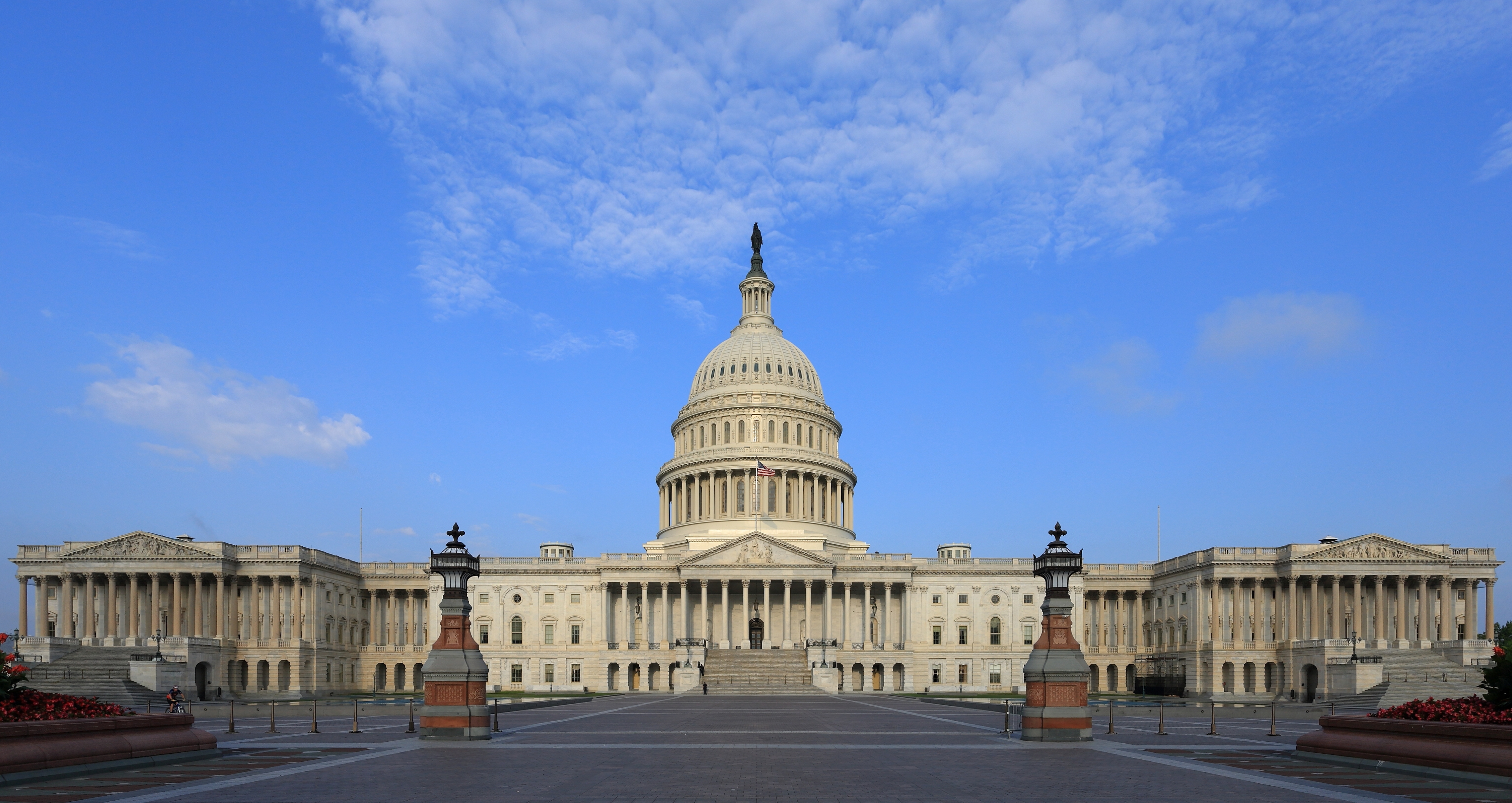
Archive photograph · 2013-09-02 · Washington, D.C., United States

- 4 source records
- The Texas Tribune
- Texas Secretary of State
- United States Senate
How we know6 scoped claims · 4 source recordsView evidence
Each claim keeps its full assertion, date, source passage and limits. Source counts describe records, not independent corroboration.
1.Know who is countedAttributed
The October 28 analysis starts with the 2023 NCHS large-fringe-metro classification, applies population and city-size filters, and adds Collin County as an exception. It excludes suburban parts of urban counties such as Harris and Dallas. Its 16 counties do not include every suburban Texan.
- Scope
- Texas U.S. Senate context: October 28 Tribune original analysis of 16 defined suburban counties, using older election and population data through 2024–25. Not a 2026 vote count, poll, causal migration finding or forecast.
- Evidence passage
- Visible methodology paragraphs beginning “The Texas Tribune defined 16 counties”; following exclusion and Collin-exception paragraphs.
- As of
- 2026-10-28
- Limit
- Newsroom-authored classification; underlying NCHS and Census tables not independently replicated here.
Retrieved 2026-10-28T11:29:40.583Z · The Texas Tribune
Supports only the cited visible passages. Retrieval does not establish accuracy, independence, completeness or downstream effects.
2.The counterexample mattersAttributed
The Tribune reports Irving and Plano shifting toward Republicans in the 2020–24 comparison while Midlothian shifted toward Democrats and still voted Republican overall. A direction of change differs from which party leads. Those are older elections.
- Scope
- Texas U.S. Senate context: October 28 Tribune original analysis of 16 defined suburban counties, using older election and population data through 2024–25. Not a 2026 vote count, poll, causal migration finding or forecast.
- Evidence passage
- Visible opening comparison of Irving, Plano and Midlothian, attributed to VoteHub.
- As of
- 2026-10-28
- Limit
- Historical directions, not 2026 preferences; underlying city data not independently captured.
Retrieved 2026-10-28T11:29:40.583Z · The Texas Tribune
Supports only the cited visible passages. Retrieval does not establish accuracy, independence, completeness or downstream effects.
3.Growth does not cast a voteAttributed
The report finds all 16 counties increased registered voters by at least 30% from 2012 to 2024. Registration differs from turnout and candidate support. The reported association between population growth and margin changes cannot establish that migration caused a political shift. Read the methodology before treating a county as a bellwether.
- Scope
- Texas U.S. Senate context: October 28 Tribune original analysis of 16 defined suburban counties, using older election and population data through 2024–25. Not a 2026 vote count, poll, causal migration finding or forecast.
- Evidence passage
- “The suburbs are growing every election”; “In Texas’ suburbs, more growth tends to mean a bluer electorate”.
- As of
- 2026-10-28
- Limit
- Original Tribune analysis of older data, not independently reproduced; no causal estimate or prediction.
Retrieved 2026-10-28T11:29:40.583Z · The Texas Tribune
Supports only the cited visible passages. Retrieval does not establish accuracy, independence, completeness or downstream effects.
4.Printed Senate candidatesSupported
Texas certifies Ken Paxton (Republican), James Talarico (Democrat) and Ted Brown (Libertarian) on the printed Senate ballot.
- Scope
- Texas U.S. Senate context: October 28 Tribune original analysis of 16 defined suburban counties, using older election and population data through 2024–25. Not a 2026 vote count, poll, causal migration finding or forecast.
- Evidence passage
- August 28 final certification cover; report page 1 of 1395, U. S. SENATOR rows.
- As of
- 2026-10-28
- Limit
- Older roster and institutional context, not candidate positions, campaign participation or a projection.
Retrieved 2026-10-28T11:29:41.254Z · Texas Secretary of State
Supports only the cited visible passages. Retrieval does not establish accuracy, independence, completeness or downstream effects.
5.Declared Senate write-insSupported
Texas certifies Avery Ayers, Bradford “Brad” Hall, Zul Mohamed and Jade Simmons as declared U.S. Senate write-in candidates.
- Scope
- Texas U.S. Senate context: October 28 Tribune original analysis of 16 defined suburban counties, using older election and population data through 2024–25. Not a 2026 vote count, poll, causal migration finding or forecast.
- Evidence passage
- August 28 certification, first four U.S. Senator rows.
- As of
- 2026-10-28
- Limit
- Older roster and institutional context, not candidate positions, campaign participation or a projection.
Retrieved 2026-10-28T11:29:40.849Z · Texas Secretary of State
Supports only the cited visible passages. Retrieval does not establish accuracy, independence, completeness or downstream effects.
6.Senate powersSupported
The Senate votes on legislation, considers presidential nominations and conducts investigations.
- Scope
- Texas U.S. Senate context: October 28 Tribune original analysis of 16 defined suburban counties, using older election and population data through 2024–25. Not a 2026 vote count, poll, causal migration finding or forecast.
- Evidence passage
- Powers & Procedures: Voting, Nominations and Investigations.
- As of
- 2026-10-28
- Limit
- Older roster and institutional context, not candidate positions, campaign participation or a projection.
Retrieved 2026-10-28T11:29:40.687Z · United States Senate
Supports only the cited visible passages. Retrieval does not establish accuracy, independence, completeness or downstream effects.
What remains open.
- Newsroom-authored classification; underlying NCHS and Census tables not independently replicated here.
- Historical directions, not 2026 preferences; underlying city data not independently captured.
- Original Tribune analysis of older data, not independently reproduced; no causal estimate or prediction.
- Older roster and institutional context, not candidate positions, campaign participation or a projection.
- Full matched policy answers and records for all seven certified contenders are not verified. Official certifications are dated August 28; no later amendment is established in this investigation.
A corrected original record, verified changed status, missing underlying documentation or measured outcome at this scope requires a separately preserved version and fresh exact-source review.
THIS STORY IN TIME
Keep the dates with the story.
- Reported development
- Evidence as of
- First retained publication
- This version published
Publication times are Central. A development date and an evidence date can differ. Missing dates remain unrecorded.