← 2026-10-15 edition · Sourced reporting
Published Oct 15, 2026, 9:49 AM Central · This version Oct 15, 2026, 9:49 AM Central · As of 2026-10-15
NASA’s battery survived colder conditions than it could work in
NASA says small SPEARS battery prototypes worked at −80°C with reduced performance and survived exposure down to −170°C. They could not operate at −170°C: heaters would first have to warm them. The October 14 account describes research, not a flight-ready lunar power system. [1] [2] [3]
Read NASA’s separate operating, exposure and warming passages before judging the prototype’s capabilities. →NASA’s October 14 SPEARS research account of small prototype cells in thermal-vacuum tests. Actual test dates, sample sizes and cycle statistics are not given. Survival after exposure, operation at temperature and future flight qualification are different claims.
- 1 source record
- NASA Langley
Still open: No underlying test report, sample size, duration, cycling distribution, heating-energy budget or independent replication was obtained. All open questions ↓
Reporting question · As of 2026-10-15
The question: Can surviving lunar cold mean a battery can power equipment at that temperature?
NASA’s October 14 SPEARS research account of small prototype cells in thermal-vacuum tests. Actual test dates, sample sizes and cycle statistics are not given. Survival after exposure, operation at temperature and future flight qualification are different claims.
NASA’s October 14 SPEARS research account of small prototype cells in thermal-vacuum tests. Actual test dates, sample sizes and cycle statistics are not given. Survival after exposure, operation at temperature and future flight qualification are different claims. These cards group documented distinctions; they do not measure a sequence, elapsed time or completed outcome.
Read the process as a table
| Component | Meaning | Evidence |
|---|---|---|
| Operation: −80°C | Reduced performance at −80°C; NASA says cells worked well from −60°C to +80°C. | [1] |
| Exposure: −170°C | Reported survival without damage; explicitly not operation at −170°C. | [2] |
| Warm before use | Heaters must restore operating temperature. Mission-level readiness remains unproved. | [2] [3] |
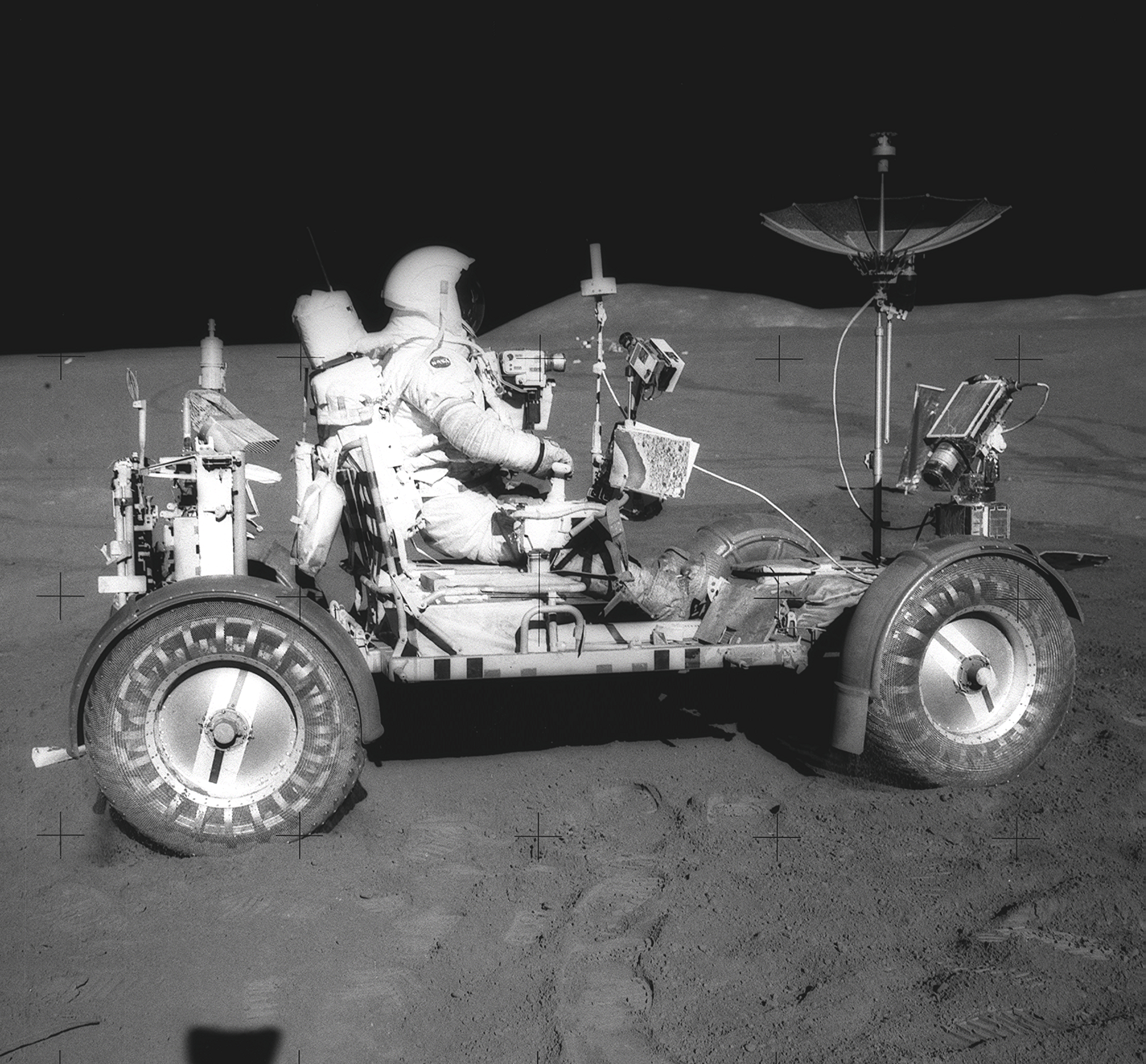
Archive photograph · 1971-08-01 · Hadley–Apennine, Moon


Understand the story.
Two different tests
The prototype cells operated well down to −60°C and up to +80°C, NASA reports, with reduced performance at −80°C. A separate exposure test reached −170°C. Combining those numbers into one operating range would overstate the evidence. [1] [2]
A cold battery still needs a warm-up
Solid electrolytes avoid the freezing problem described for liquid electrolytes. But NASA explicitly says these batteries do not function at −170°C; small heaters would bring them back to operating temperature. Possible savings in thermal-control hardware remain a design prospect. [2] [3]
The milestone is still a prototype
NASA describes technology development and work on hardware for future spaceflight tests. The account supplies no sample size, cycle-life distribution, heating-energy budget or flight-qualification record. Those are the next records needed to judge mission readiness. [3]
How we know3 scoped claims · 1 source recordView evidence
Each claim keeps its full assertion, date, source passage and limits. Source counts describe records, not independent corroboration.
1.Working conditionsAttributed
NASA reports small SPEARS prototype cells operated well from −60°C to +80°C in recent thermal-vacuum testing, with slightly reduced performance down to −80°C.
- Scope
- NASA’s October 14 SPEARS research account of small prototype cells in thermal-vacuum tests. Actual test dates, sample sizes and cycle statistics are not given. Survival after exposure, operation at temperature and future flight qualification are different claims.
- Evidence passage
- Splashy problem, solid solution → paragraph beginning During recent thermal vacuum testing.
- As of
- 2026-10-15
- Limit
- Reported prototype conditions, not continuous certified operating specifications or a quantified performance curve.
Retrieved 2026-10-15T13:45:15.386Z · NASA Langley
NASA Langley account by Joe Atkinson, citing SPEARS researchers; official test claims without an independently obtained data report.
2.Survival needs warmingAttributed
NASA says tests exposed cells to extremes from −170°C to +100°C without damage; the account explicitly says they do not function at −170°C and must be warmed to operating temperature.
- Scope
- NASA’s October 14 SPEARS research account of small prototype cells in thermal-vacuum tests. Actual test dates, sample sizes and cycle statistics are not given. Survival after exposure, operation at temperature and future flight qualification are different claims.
- Evidence passage
- Splashy problem, solid solution → exposure paragraph; Not even solid-state batteries paragraph; small-heaters paragraph.
- As of
- 2026-10-15
- Limit
- Exposure without reported damage is not operation at either extreme, a demonstrated whole lunar night or mission reliability.
Retrieved 2026-10-15T13:45:15.386Z · NASA Langley
NASA Langley account by Joe Atkinson, citing SPEARS researchers; official test claims without an independently obtained data report.
3.The design and the next workAttributed
SPEARS replaces liquid electrolyte with solid ceramic- or polymer-based material. NASA says the project began in 2026 and Ames is developing hardware to prepare cells for spaceflight testing.
- Scope
- NASA’s October 14 SPEARS research account of small prototype cells in thermal-vacuum tests. Actual test dates, sample sizes and cycle statistics are not given. Survival after exposure, operation at temperature and future flight qualification are different claims.
- Evidence passage
- Splashy problem, solid solution opening; Power for Moon, Earth final paragraph.
- As of
- 2026-10-15
- Limit
- Development work, not flight qualification, commercial availability or a demonstrated system-level mass saving.
Retrieved 2026-10-15T13:45:15.386Z · NASA Langley
NASA Langley account by Joe Atkinson, citing SPEARS researchers; official test claims without an independently obtained data report.
What remains open.
- No underlying test report, sample size, duration, cycling distribution, heating-energy budget or independent replication was obtained.
- Research-account publication is October 14; the date of each described test is unknown. No flight qualification or current product availability is established.
Damage under repeated cycles or reheating costs that remove the claimed system advantage. A new original record requires a separately identified revision and renewed source review.
THIS STORY IN TIME
Keep the dates with the story.
- Reported development
- Evidence as of
- First retained publication
- This version published
Publication times are Central. A development date and an evidence date can differ. Missing dates remain unrecorded.